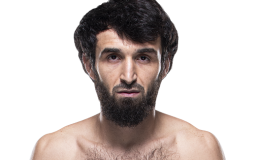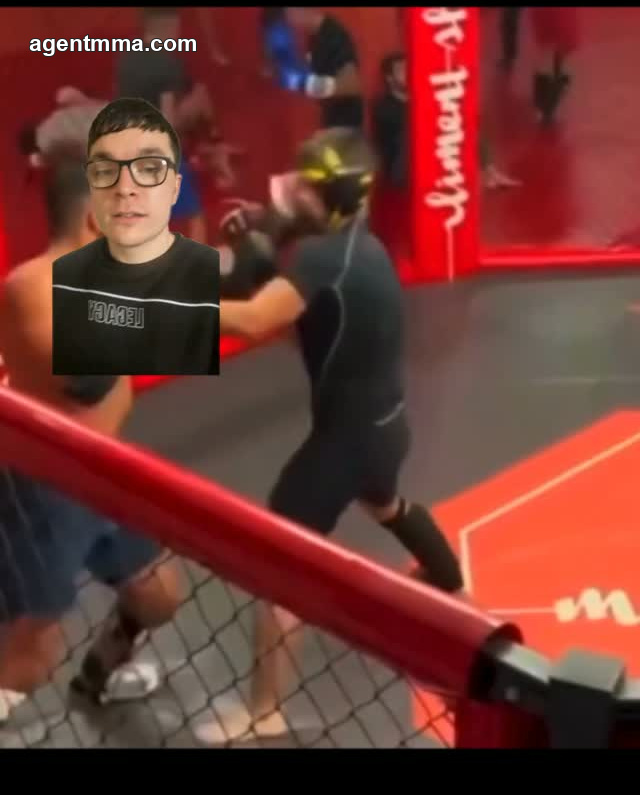

Khamzat Chimaev discussed spending $700,000 to build a training facility in his home village. The details of the gym, its location, and specific features are not elaborated in this brief post. The announcement demonstrates Chimaev's commitment to giving back to his community and developing MMA infrastructure in his hometown. The investment represents a significant financial commitment to grassroots development. This follows a pattern of successful fighters investing in their home regions.
Khamzat Chimaev has revealed he invested $700,000 to construct a training facility in his home village, signaling a personal commitment to building MMA infrastructure at the grassroots level.
Chimaev, known by his nickname "Borz," carries a 15-1-0 professional record and currently sits as the number-one ranked middleweight in the UFC, with a place inside the pound-for-pound top ten at number ten. The 32-year-old, who represents the United Arab Emirates and trains out of Allstars Training Center, stands six-foot-two with a 75-inch reach. His career numbers reflect one of the most dominant presences in the welterweight and middleweight divisions, with a striking accuracy of 60 percent, 4.04 significant strikes landed per minute, and a wrestling output of 5.29 takedowns per 15 minutes. He also averages 1.8 submission attempts per 15 minutes, underlining a well-rounded game that has made him a handful for any opponent.

The announcement, which Chimaev shared publicly, did not include specific details about the gym's exact location or its planned features. The scale of the financial commitment nonetheless speaks to how seriously he is approaching the project.
Why it matters
- A $700,000 facility investment represents a significant injection of resources into grassroots MMA development in Chimaev's home region.
- As the number-one ranked middleweight and a top-ten pound-for-pound fighter, Chimaev carries the profile to attract serious talent to a new training center.
- The move follows a broader pattern of established fighters channeling earnings back into their home communities to grow the sport from the ground up.