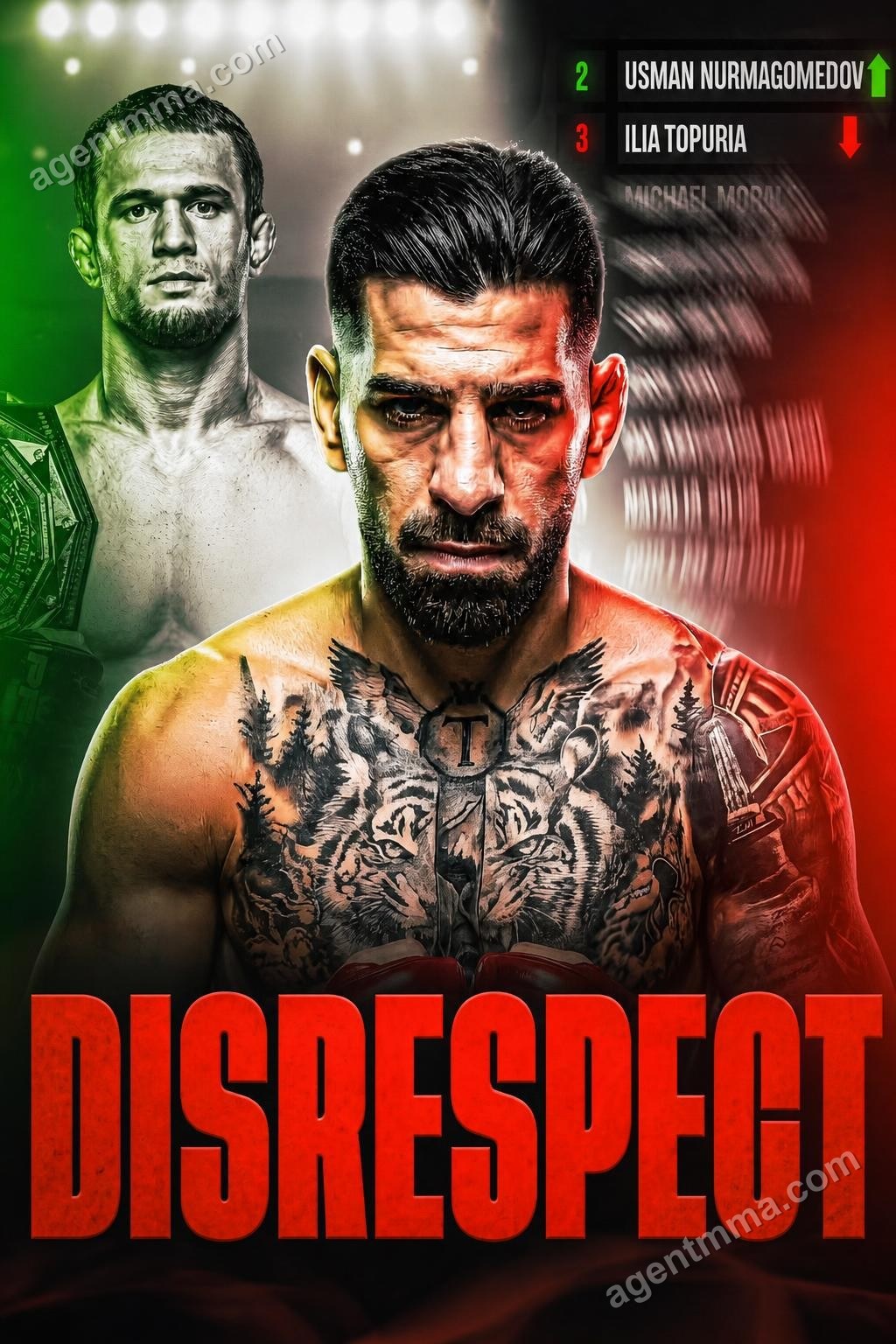

Ilia Topuria has made changes to his prominent chest tattoo. The updated design now features a warrior in a Corinthian helmet, likely representing a Spartan, inside the tiger image. Previously, the tattoo contained a face that resembled Topuria himself, though the exact identity was not publicly confirmed. The modification represents a shift in the symbolic meaning of the artwork. Topuria is known for his distinctive body art and personal branding. The change comes as he continues his reign as UFC featherweight champion.
Ilia Topuria has updated one of his most recognizable pieces of body art, modifying a prominent chest tattoo that previously featured a face believed to resemble the fighter himself. The revised design now incorporates a warrior wearing a Corinthian helmet — widely associated with Spartan imagery — set within the existing tiger motif.
Topuria, known by his nickname El Matador, is currently ranked number one pound-for-pound in the UFC and sits second in the lightweight division. The 29-year-old Spanish fighter carries a professional record of 17 wins and 1 loss and competes out of Climent Club. He is an orthodox striker who lands 4.81 significant strikes per minute at a 48 percent accuracy rate, and also contributes on the ground with 1.96 takedowns per 15 minutes and 1.1 submission attempts per 15 minutes.

Topuria has cultivated a strong personal brand throughout his rise in the sport, and his body art has been a visible part of that identity. The decision to replace the previous face with a Spartan warrior figure signals a deliberate shift in the symbolic statement he wants the tattoo to make, though Topuria has not made any public comment explaining the change in detail.
Why it matters
- Topuria is the current UFC featherweight champion continuing his reign at the top of the division, making any element of his public image newsworthy to a wide fanbase
- The modification reflects the kind of personal branding choices that fighters at the championship level increasingly use to shape their identity inside and outside the octagon
- The Spartan warrior imagery carries strong associations with combat culture and may represent a deliberate evolution in how Topuria presents himself heading into the next phase of his career