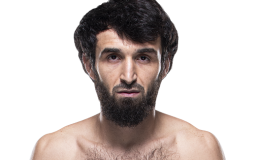

Colby Covington has been removed from the UFC rankings due to lack of fight activity. His last bout was against Joaquin Buckley in 2024, which ended in a stoppage loss for Covington. Since that defeat, Covington has not competed in the UFC octagon. Instead, he has been involved in legal proceedings with Jorge Masvidal and has made appearances at RAF events. The removal from rankings is standard UFC protocol for fighters who remain inactive for extended periods. Covington's absence from active competition has now resulted in his official removal from the welterweight rankings.
Colby Covington has been officially removed from the UFC welterweight rankings following an extended period of inactivity, the promotion confirmed on April 21, 2026.
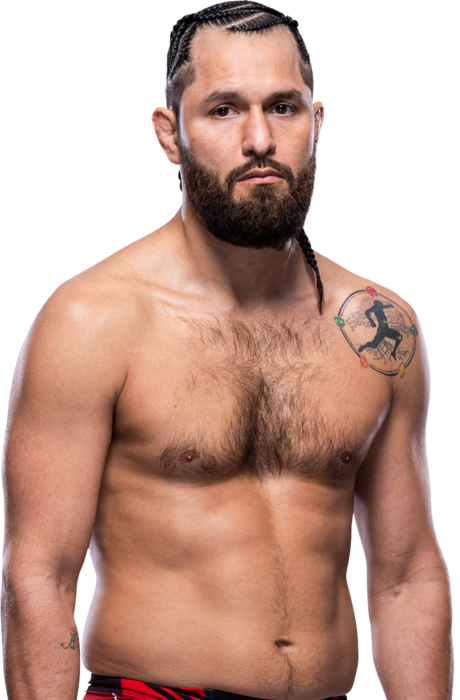
Covington, 38, carries a professional record of 17-5 and built his reputation as one of the division's most relentless grapplers, averaging 3.64 takedown attempts per 15 minutes throughout his career. The American, who trains out of MMA Masters and fights out of an orthodox stance, last stepped into the octagon in 2024, suffering a stoppage loss to Joaquin Buckley. He has not competed since, and the UFC's standard inactivity policy has now cost him his ranking.
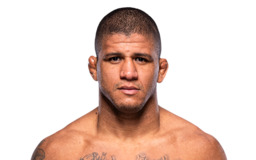
Buckley, the man responsible for Covington's last defeat, currently sits at number 11 in the welterweight division at 32 years old. The southpaw from Murcielago MMA holds a record of 21-8 and brings a 76-inch reach into his fights, landing 3.88 significant strikes per minute over his career.

Away from competition, Covington has been occupied with legal proceedings involving Jorge Masvidal, the 41-year-old American veteran who competes out of American Top Team with a career record of 35-17. Covington has also made appearances at RAF events during his time away from the cage.

Why it matters
- Covington's removal opens space in the welterweight rankings for active contenders to move up
- His absence since the Buckley stoppage loss now spans well over a year, with no scheduled return
- The legal situation involving Masvidal adds further uncertainty around any potential comeback timeline