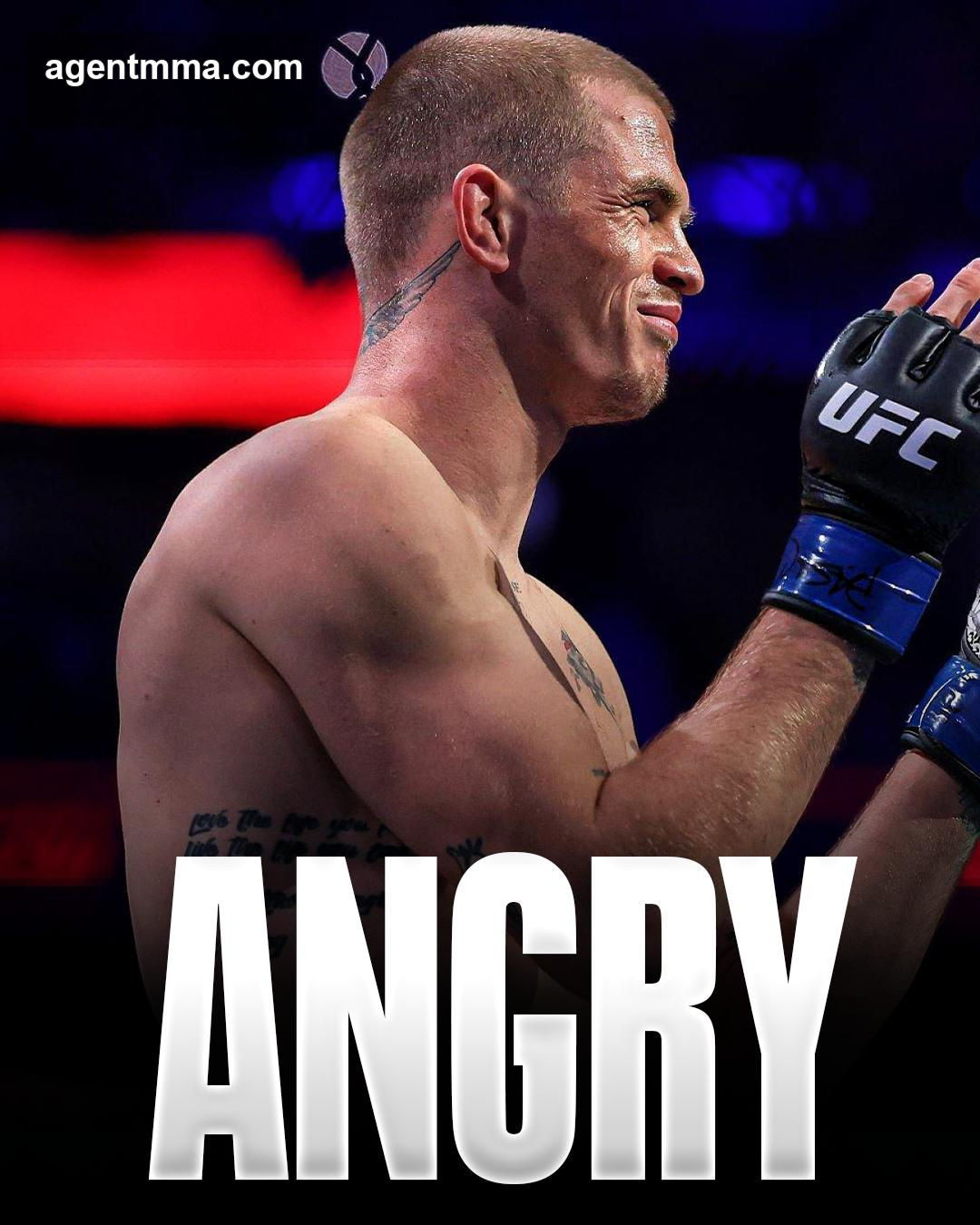
Sean Strickland issued a stark warning to Khamzat Chimaev, stating he would use lethal force if Chimaev attempted to confront him with his team. Strickland specifically referenced Chimaev's Chechen training partners in his threat. The American made it clear he carries a firearm and would not hesitate to use it if approached by multiple people in a hostile manner. This statement escalates the ongoing tension between the two middleweights and adds a dangerous edge to their rivalry.
Sean Strickland escalated his ongoing feud with Khamzat Chimaev on April 29 by issuing a blunt and alarming warning: approach him with a group in a hostile manner and he will open fire. The middleweight champion made clear he carries a firearm and would not hesitate to use it, specifically calling out Chimaev's Chechen training partners by name in his threat.

Strickland, 35, holds the middleweight title and carries a professional record of 31-7-0. Fighting out of Xtreme Couture, the six-foot-one American is one of the division's most relentless pressure fighters, landing 6.04 significant strikes per minute. His 76-inch reach helps him maintain distance and output at volume, though his striking accuracy sits at 42 percent.
Chimaev, 30 ranked first in the middleweight division and tenth pound-for-pound, enters the picture as arguably the most dangerous challenger available. The 32-year-old representing the United Arab Emirates and training out of Allstars Training Center holds a 15-1-0 record and brings a suffocating blend of wrestling and striking. He averages 5.29 takedowns per 15 minutes and fires 4.04 significant strikes per minute with a 60 percent accuracy rate, making him one of the most efficient offensive fighters in the sport.

Why it matters
- Strickland and Chimaev are the top two middleweights, making any escalation between them a divisional storyline of the highest order
- The threat introduces a volatile personal dimension that goes well beyond typical pre-fight trash talk
- Chimaev's grappling-heavy style and Strickland's high-volume striking represent a genuinely compelling stylistic clash whenever a fight is formalized
- The involvement of training camps in the rhetoric suggests tensions extend beyond the two fighters themselves