
UFC commentator and former two-division champion Daniel Cormier stated he is confident the conflict between Hamzat Chimaev and Sean Strickland is authentic rather than manufactured for promotional purposes. Cormier emphasized his belief that the two fighters genuinely cannot tolerate each other and their animosity is not being played up for cameras. The former champion's assessment comes as the buildup to their fight intensifies. Cormier's perspective carries weight given his extensive experience in combat sports and his current role analyzing fights and fighter dynamics for the UFC broadcast team.
Daniel Cormier, the former two-division UFC champion turned broadcast analyst, has gone on record saying the bad blood between Khamzat Chimaev and Sean Strickland is entirely real and has nothing to do with promotional theater.
Cormier, who compiled a 22-3 professional record across the light heavyweight and heavyweight divisions before transitioning to the UFC broadcast team, stated plainly that the two middleweights genuinely cannot stand each other. His read on fighter psychology carries considerable credibility given his decorated career and years spent inside the sport at its highest level.
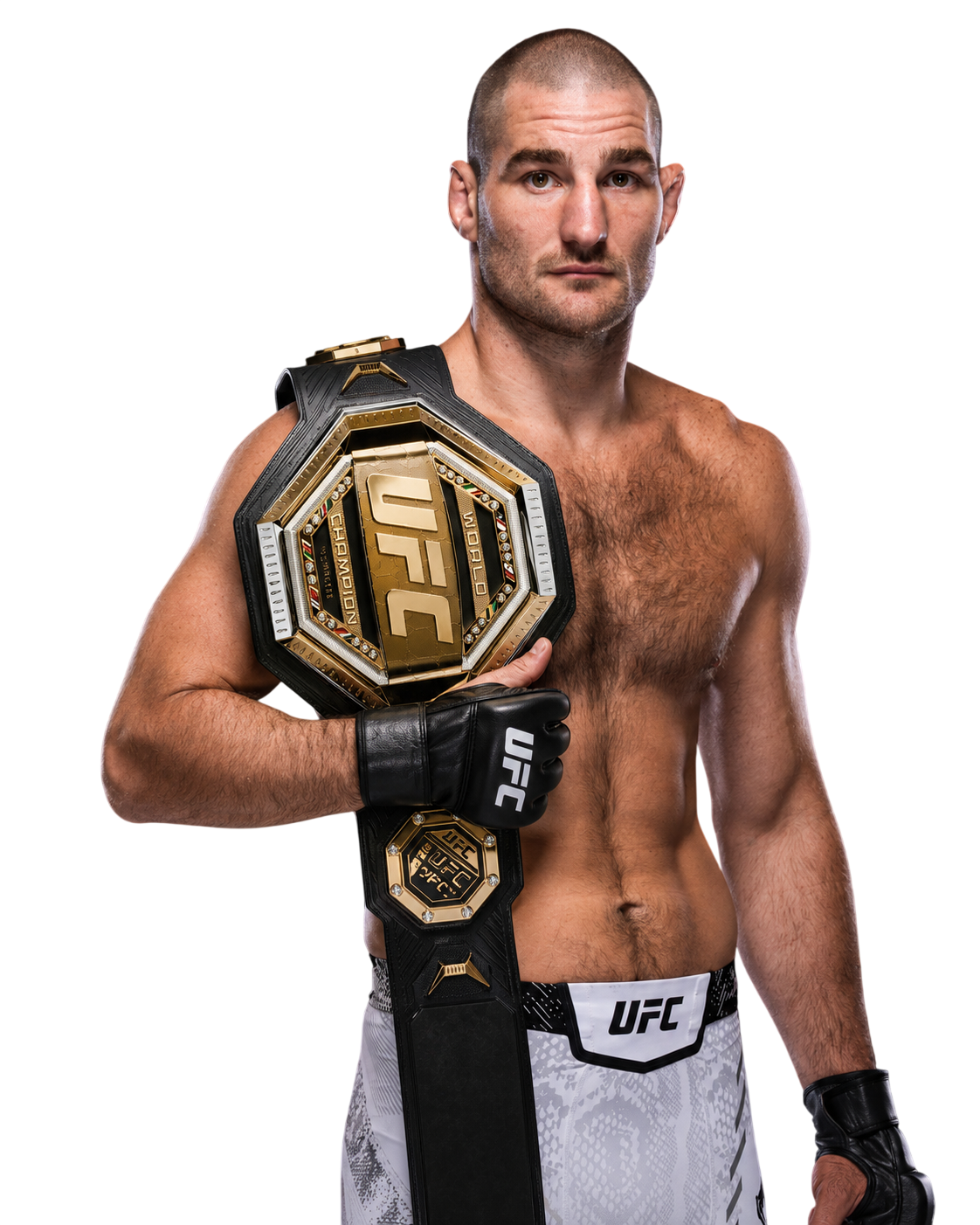
On the other side of the rivalry sits Strickland, the reigning middleweight champion. The 35-year-old American, who trains out of Xtreme Couture, holds a 31-7 record and brings a relentless volume striking game to the division. Standing six-foot-one with a 76-inch reach, Strickland lands 6.04 significant strikes per minute, a figure that places him among the busiest fighters on the roster, and he does it with orthodox fundamentals honed over a long career.

Why it matters
- Cormier's assessment reframes the buildup as a genuine personal conflict rather than a sales pitch, which could affect how fans and media interpret pre-fight interactions
- Strickland's middleweight title is on the line, giving the animosity real divisional stakes beyond personal grievance
- A legitimate rivalry between two fighters who reportedly have deep mutual dislike historically produces more unpredictable and intense bouts than manufactured feuds