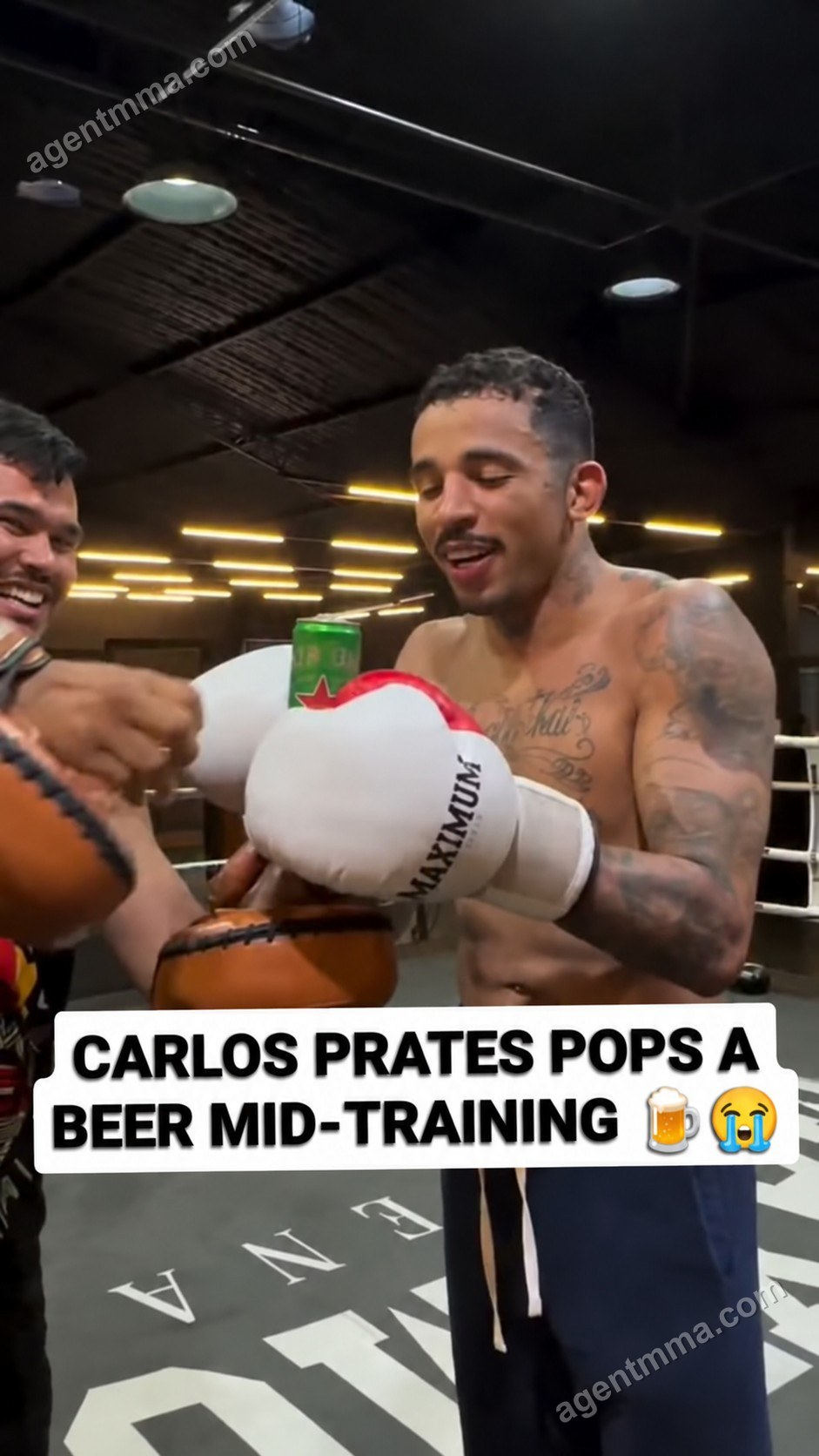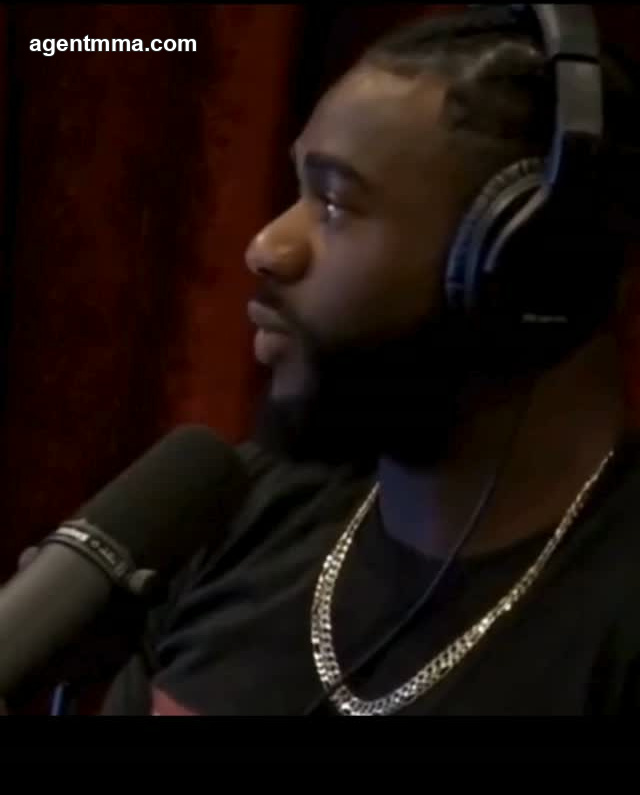
Hamza Chimaev insists he did not truly lose to Sean Strickland, calling the defeat purely a matter of the judges' scorecards. Chimaev says Strickland has been avoiding the gym and citing a shoulder issue as reasons to delay a rematch. Chimaev is now waiting for UFC president Dana White and Hunter Campbell to bring Strickland back into the cage.
Hamza Chimaev has publicly rejected the outcome of his middleweight loss to Sean Strickland, arguing the defeat was solely a product of the judges' scorecards rather than a genuine reflection of what happened inside the cage. Speaking out on June 12, Chimaev made clear he wants the UFC to step in and force a rematch, directing his demand at promotion president Dana White and executive Hunter Campbell.
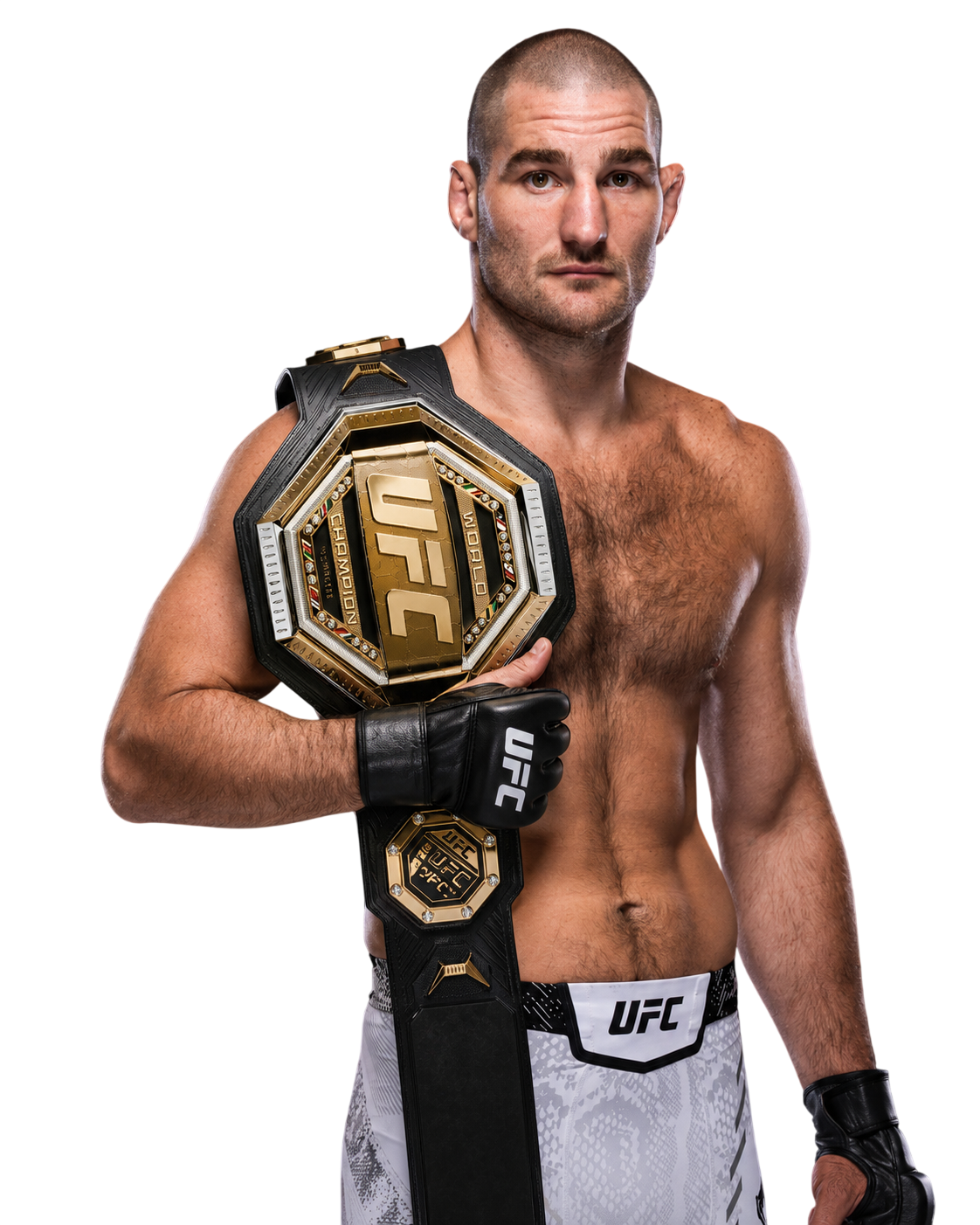
Sean Strickland, thirty-five years old and fighting out of Xtreme Couture in the United States, currently holds the middleweight championship with a professional record of 31-7-0. The six-foot-one orthodox striker is one of the division's most active volume fighters, landing 6.04 significant strikes per minute and carrying a 76-inch reach that helps him control distance and dictate exchanges. Strickland has built his championship reign on relentless output and durability.
Chimaev, for his part, is refusing to move on. He claims Strickland has been staying out of the gym and pointing to a shoulder issue as justification for putting off a return fight. In Chimaev's telling, those factors amount to avoidance rather than legitimate delay, and he wants UFC leadership to compel the champion to agree to a second meeting.
Why it matters
- Chimaev's refusal to accept the loss keeps the middleweight title picture unsettled and complicates the division's near-term booking
- If the UFC does intervene, a rematch would immediately become one of the most anticipated fights in the 185-pound weight class
- A contested scorecards narrative, whether valid or not, gives the bout a built-in storyline that raises its commercial profile
- Strickland's response to the shoulder and gym allegations will likely determine how quickly negotiations either accelerate or stall