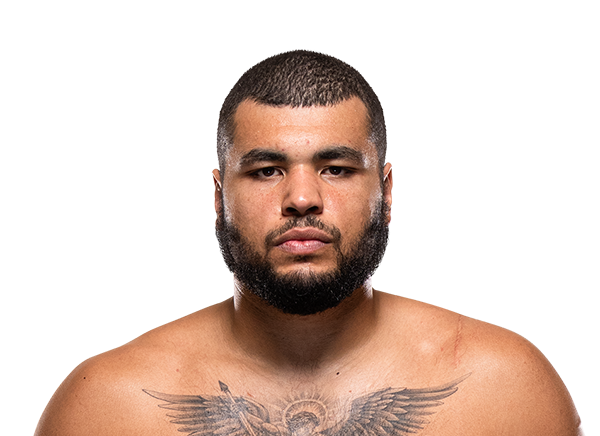

Johnny Walker has announced his intention to transition to the heavyweight division. The Brazilian light heavyweight explained that he has previously trained and sparred with Francis Ngannou, and despite being about 20 kg lighter while on a diet, he was able to work comfortably with the former heavyweight champion. Walker believes he would perform much better at heavyweight because the weight cut negatively impacts his training at light heavyweight. He reported experiencing dizziness and low energy due to lack of carbohydrates when dieting down. Walker expressed confidence that the move would allow him to train more effectively.
Johnny Walker has announced his intention to move up to the heavyweight division, citing the physical toll of cutting weight as the primary motivation behind the proposed switch.
Walker, a 34-year-old Brazilian light heavyweight currently ranked 11th in his division, carries an impressive frame for a 205-pound fighter. Standing six-foot-six at 198 cm with an 82-inch reach, he has long been one of the most physically imposing athletes in the light heavyweight ranks. He holds a professional record of 22-10 and competes out of SBG Ireland, landing significant strikes at a rate of 4.06 per minute with a striking accuracy of 55 percent.

The Brazilian explained that dieting down to light heavyweight leaves him dizzy and low on energy due to carbohydrate restriction, and that those deficits carry over into his training sessions. To illustrate his comfort at a heavier weight, Walker pointed to sparring sessions with former heavyweight champion Francis Ngannou, saying he was able to work effectively despite being roughly 20 kilograms lighter at the time.
Ngannou, the 38-year-old Cameroonian who stands six-foot-four at 193 cm with an 83-inch reach, is one of the most physically dominant heavyweights the sport has seen. Walker's account of holding his own against him in the gym forms the basis of his confidence that the move would suit him.

Why it matters
- Walker would bring elite striking volume and length to a heavyweight division that often lacks both qualities
- Moving up would eliminate a weight cut that he says is actively degrading his performance and training quality
- At 198 cm, Walker would be among the taller athletes at heavyweight, where his 82-inch reach remains competitive
- His current ranking at light heavyweight means a divisional move would reset his position in the rankings