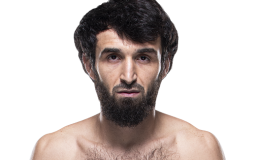
Khabib Nurmagomedov says his wrestling has continued to improve significantly since retiring in October 2020, arguing that his prime never arrived during his fighting days. He notes that he has maintained a near-uninterrupted training schedule over the past six years, with pauses of no more than two weeks except for a two-month break following elbow surgery. Last week alone he logged 170–180 minutes of live grappling on top of his regular workouts, and he regularly trains alongside world-class fighters he describes as the standard by which he measures his own progress.
Khabib Nurmagomedov has claimed that his grappling ability in 2026 surpasses anything he showed during his undefeated UFC career, insisting his best wrestling years came after he walked away from competition.
The 37-year-old Russian, who retired in October 2020 with a perfect 29-0 record, made the remarks in a recent interview, pushing back against the idea that fighters inevitably decline once they step away from professional competition. Nurmagomedov argued that his prime as a grappler never fully materialised inside the octagon and that consistent training has allowed him to keep developing well into his post-fighting life. Standing 178 centimetres tall with a 178-centimetre reach, he built his legendary career on suffocating wrestling that averaged 5.32 takedowns per 15 minutes — a number that terrorised every opponent he faced across a decade at the top of lightweight.
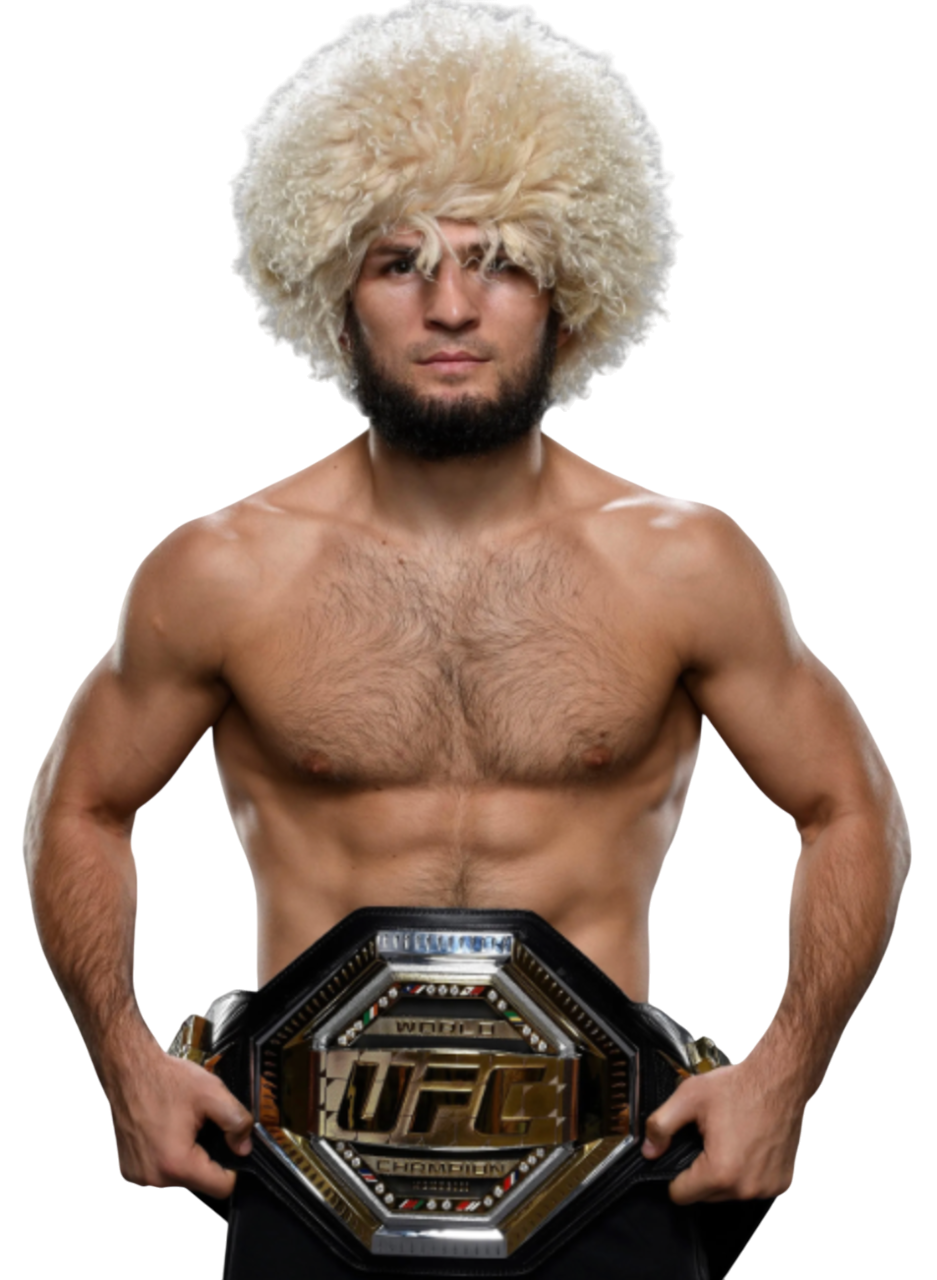
To back up his claims, Nurmagomedov pointed to a recent week in which he logged between 170 and 180 minutes of live grappling on top of his regular workouts. He said his training schedule has remained nearly uninterrupted since retirement, with breaks of no longer than two weeks apart from a two-month pause to recover from elbow surgery. He added that he regularly trains alongside world-class fighters and uses their level as the benchmark for his own progress.
Why it matters
- Nurmagomedov's comments reignite conversation about whether a return to competition could theoretically still be on the table, even at 37.
- His continued presence in elite training rooms keeps him connected to the top of the lightweight division, where his influence on coaching and fighter development remains significant.
- The claim that post-retirement grappling growth is possible challenges conventional thinking about athletic peak and decline in combat sports.