
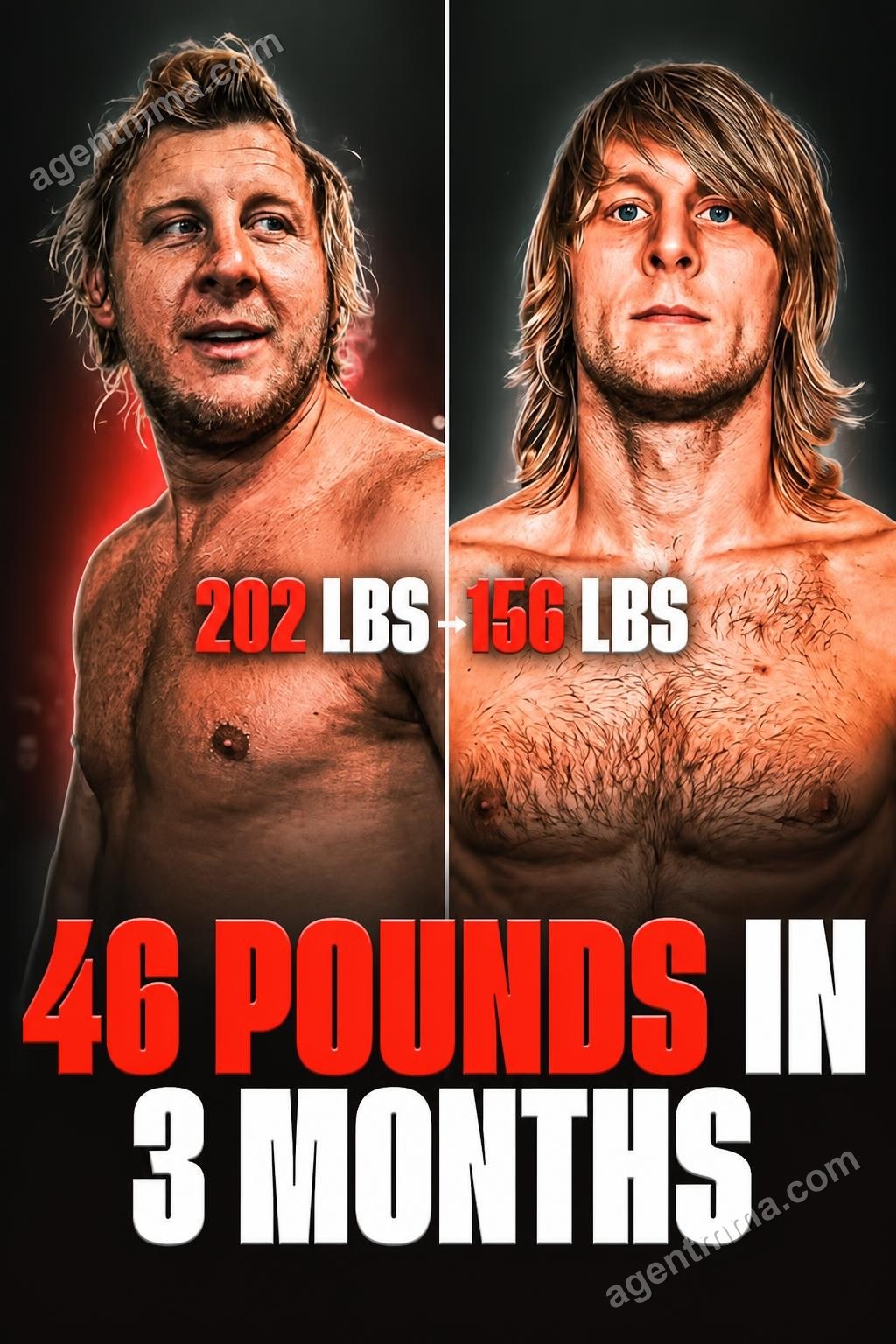
Paddy Pimblett cut from 202 lbs down to 156 lbs for his last fight against Benoit Saint Denis. 😳 46 pounds in 3 months. That's nearly 21 kilograms. 💀 And people wonder why fighters look drained at weigh-ins.
Paddy Pimblett reportedly cut nearly 46 pounds over three months to make the lightweight limit for his fight against Benoit Saint Denis, dropping from approximately 202 pounds down to 156 pounds — a cut of close to 21 kilograms — according to a widely circulated report.
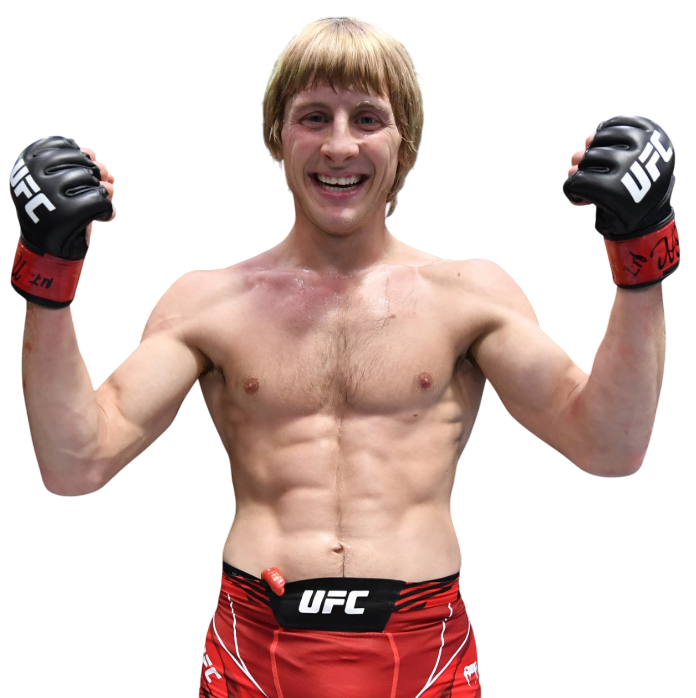
Pimblett, known to fans as "The Baddy," competes in the UFC's lightweight division, where he currently sits ranked fifth in the world. The 31-year-old Liverpudlian holds a professional record of 24 wins and 4 losses and trains out of Next Generation MMA Liverpool. Standing five-foot-ten with a 73-inch reach, he is an active and technically sharp striker, averaging 5.48 significant strikes landed per minute at a 52 percent accuracy rate. He also presents a submission threat, attempting submissions at a rate of 1.4 per 15 minutes.
Why it matters
- A cut of this magnitude raises serious questions about fighter health and the UFC's weight management practices at lightweight.
- Pimblett's divisional ranking means his performances carry real implications for the top of the 155-pound ladder.
- Extreme cuts can visibly affect a fighter's condition and performance on fight night, and this figure — if accurate — sits well above what most fighters report cutting in the same timeframe.
- The report adds to an ongoing conversation in combat sports about whether current weigh-in rules do enough to protect athletes from dangerous rehydration cycles.
The scale of the reported cut is striking given that fighters walking around at 200 pounds or more and competing at 155 is not unusual in the lightweight division, but a documented three-month drop of that size puts a sharp spotlight on exactly how far the gap between a fighter's natural weight and their competition weight can stretch.