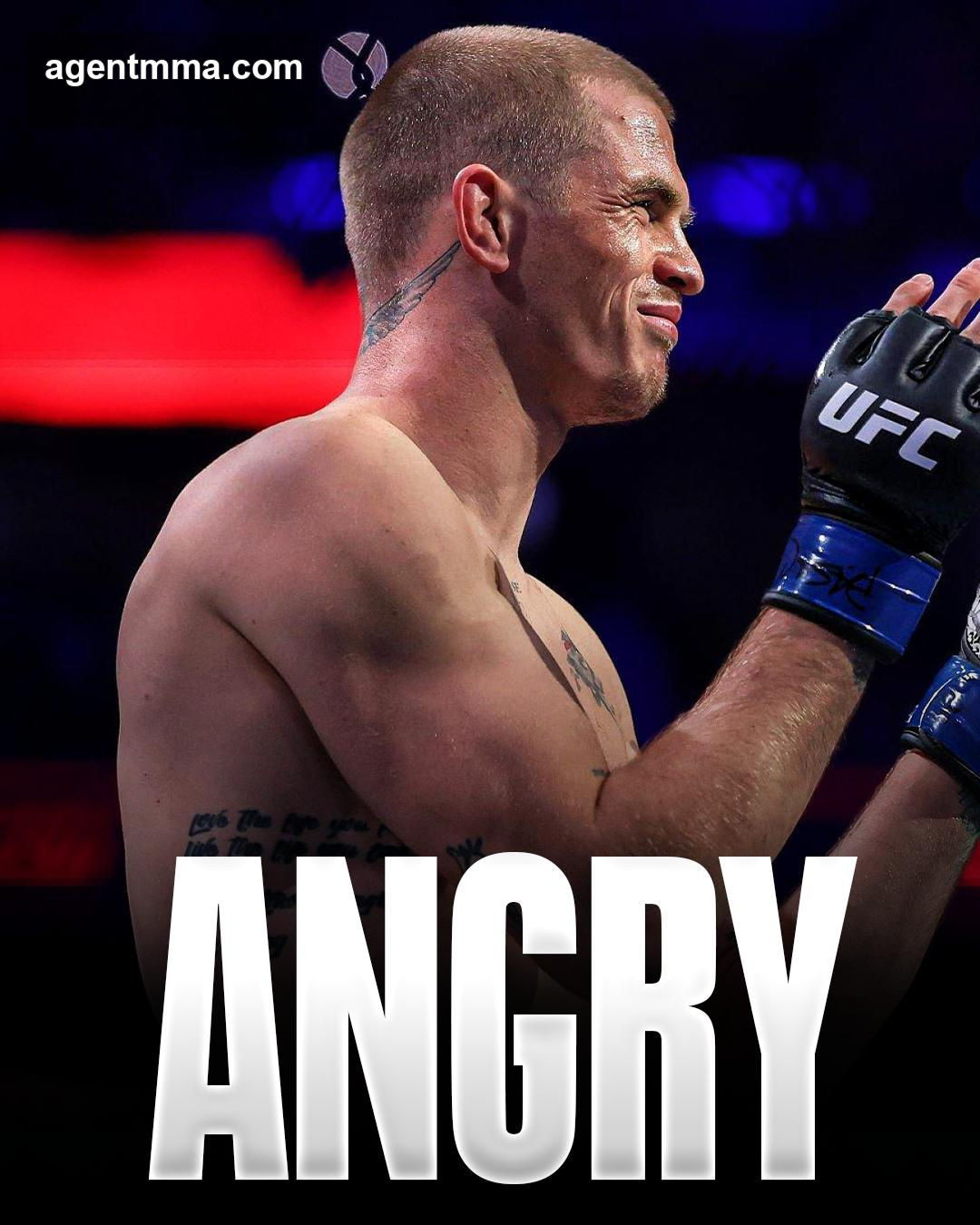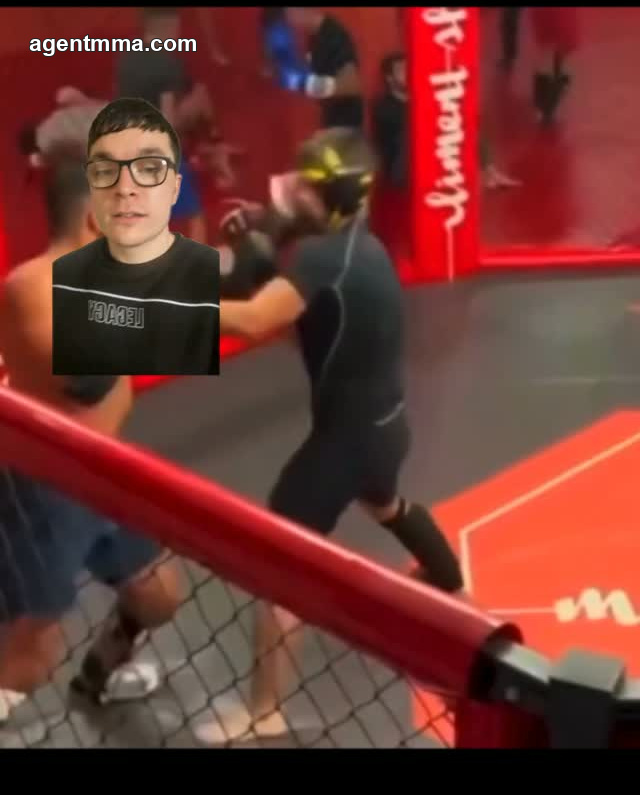


Former UFC bantamweight champion Aljamain Sterling has pushed back on California Athletic Commission Director Andy Foster's plan to look at banning the oblique kick. The proposal followed Brunno Ferreira's use of the technique against Edmen Shahbazyan in a prelim bout at UFC 331, which Shahbazyan won without suffering a major injury. Sterling argued the commission should fix referee accountability for enforcing existing rules before adding new ones, and said fighters can simply move their leg out of the way. UFC CEO Dana White has previously voiced support for a ban, while other fighters have come out against it.
Former UFC bantamweight champion Aljamain Sterling has criticized California Athletic Commission Director Andy Foster's plan to examine a ban on the oblique kick, arguing that referee accountability should come before any new rule.

The proposal came after Brunno Ferreira threw the technique against Edmen Shahbazyan in a preliminary bout at UFC 331. Shahbazyan won the fight and did not suffer a major injury. Sterling argued that commissions should first fix how referees enforce the rules already on the books, and he said fighters can simply move their leg out of the way of the kick.
UFC CEO Dana White has previously voiced support for a ban. Other fighters, however, have come out against the idea.

The fighters involved
Sterling, 37, is a former bantamweight champion who now competes at featherweight, where he is ranked fourth. The American from the Serra-Longo Fight Team holds a 26-5 record. He lands 4.45 significant strikes per minute at 52 percent accuracy and averages 2.45 takedowns per 15 minutes.

Ferreira, a 33-year-old Brazilian fighting out of Brazilian TKO, is 15-5. He lands 3.08 significant strikes per minute at 45 percent accuracy and attempts 0.5 submissions per 15 minutes.
Shahbazyan, 28, is 17-6 and trains at Xtreme Couture. The American stands six-foot-two with a 74-inch reach and lands 4.06 significant strikes per minute at 49 percent accuracy. He also averages 1.38 takedowns per 15 minutes.

Why it matters
- A California rule change could set a precedent for other athletic commissions weighing their own limits on the kick.
- Backing from White gives the ban proposal weight, but opposition from fighters suggests the debate is far from settled.
- Sterling's argument shifts the focus from the technique itself to officiating, an area where any new rule would still depend on referees to enforce it.