
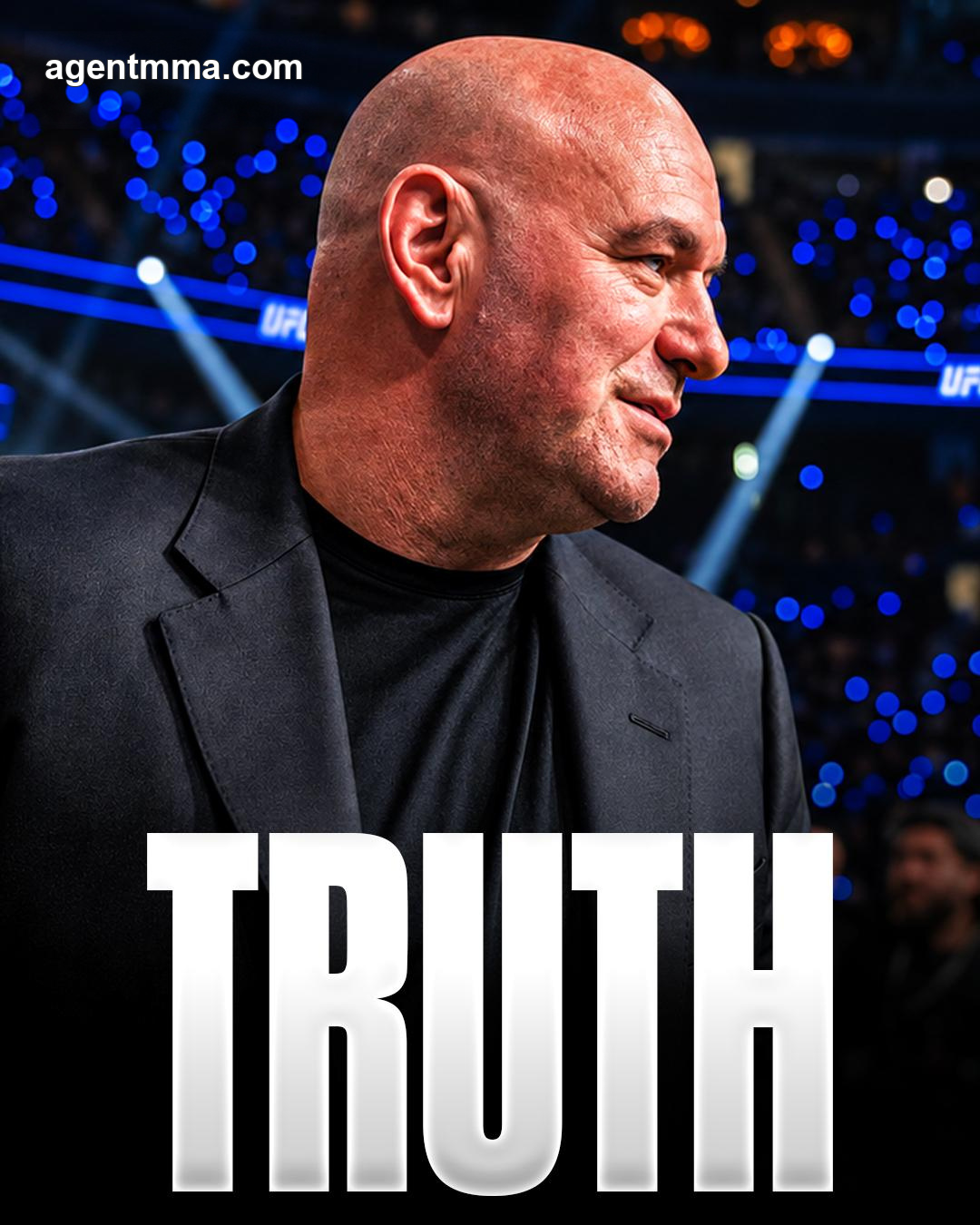
Dana White speaks on Inactivity in the UFC Champions are the peak athletes that MMA has to offer and sometimes fans can get frustrated we don't see them enough and Dana White gets why. When fighters first start out in the UFC you see the bright lights and money you've never seen in other promotions. The hunger and drive to keep that and get as much as possible is what gets fighters up in the morning and makes them want to fight as much as possible. The more money they get the less they want to fight which White completely understands. Should there be mandatory stripping of titles for inactivity?
UFC CEO Dana White has weighed in on the long-running complaint about champion inactivity, acknowledging why fans grow frustrated when title holders go months between appearances and why the fighters themselves become less eager to compete as their earnings rise.
White's reasoning, as relayed in the report, runs through a fighter's career arc. Newcomers to the UFC encounter bright lights and paydays they have rarely seen on the regional circuit or in other promotions. That hunger drives them to fight as often as possible and to chase every dollar available. But as the money grows, the urgency fades, and White said he fully understands why champions want to fight less once they are well compensated.
The comments land on a familiar flashpoint. Champions are widely regarded as the sport's elite athletes, yet fans frequently see them only a couple of times a year at best. White did not dismiss that frustration. His stance, as reported, is one of sympathy for both sides: he recognizes the fan complaint while accepting the financial logic that shapes fighter behavior.
The report also raises a question that has circulated for years in MMA: should titles be stripped automatically when a champion stays inactive for too long? White's remarks, as summarized, do not announce any new policy, and nothing in the story indicates the UFC is preparing to introduce a mandatory-stripping rule. The idea is posed as a discussion point rather than a confirmed change.
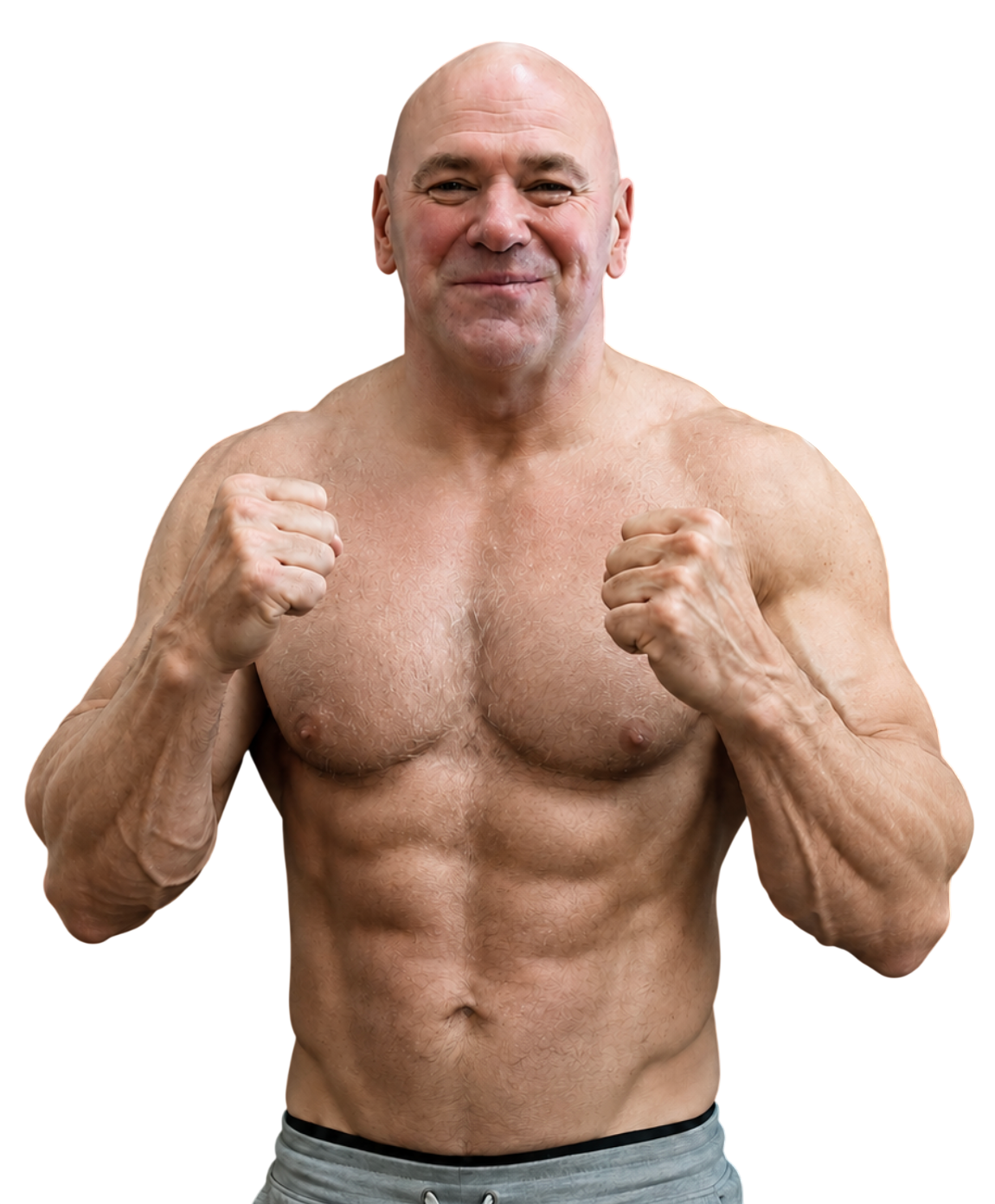
White, 57, has run the UFC as its public face for decades. A native of the United States, he does not compete and carries a 0-0-0 record, so his perspective comes from the promotional side of the business rather than from inside the cage. That vantage point matters here, because the UFC controls the matchmaking and scheduling that determine how often champions defend their belts.
Why it matters
- Inactivity can stall entire divisions, leaving contenders waiting while a champion sits out.
- A mandatory-stripping rule would shift power away from fighters and toward the promotion's schedule.
- White's comments suggest the UFC views the issue as a product of fighter economics, not just scheduling.
For now, the conversation remains open, with White publicly acknowledging the problem but offering no firm commitment to a stricter calendar.