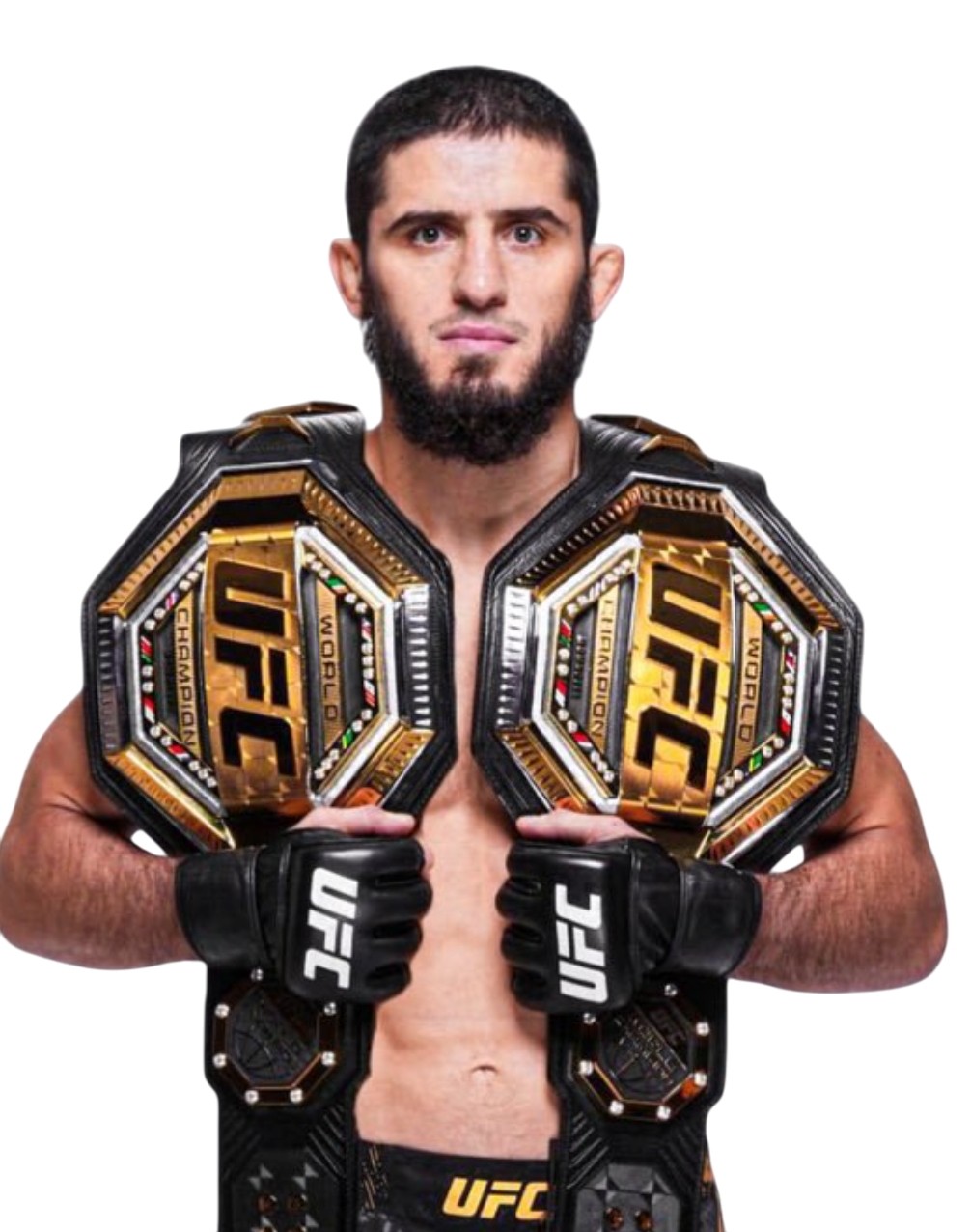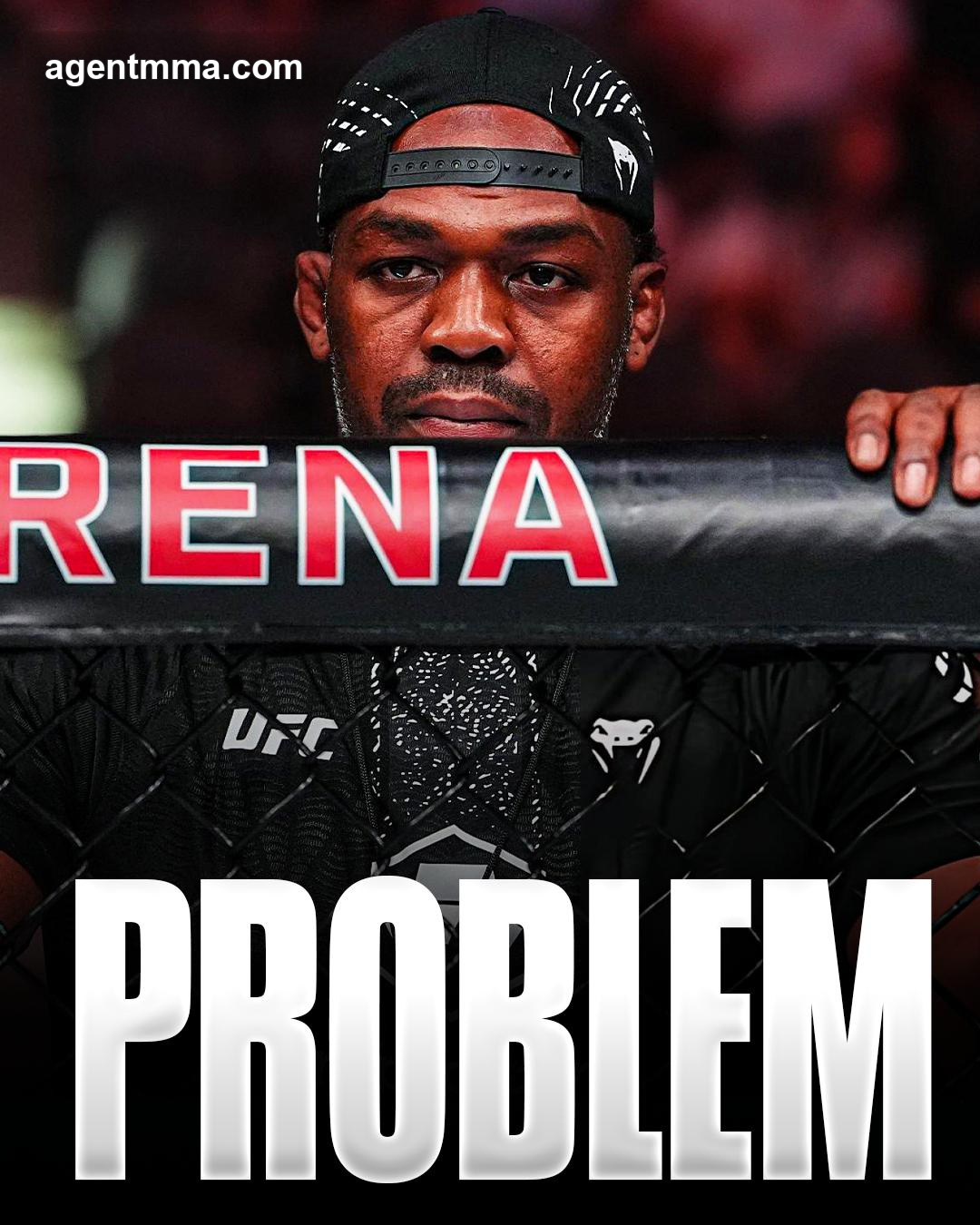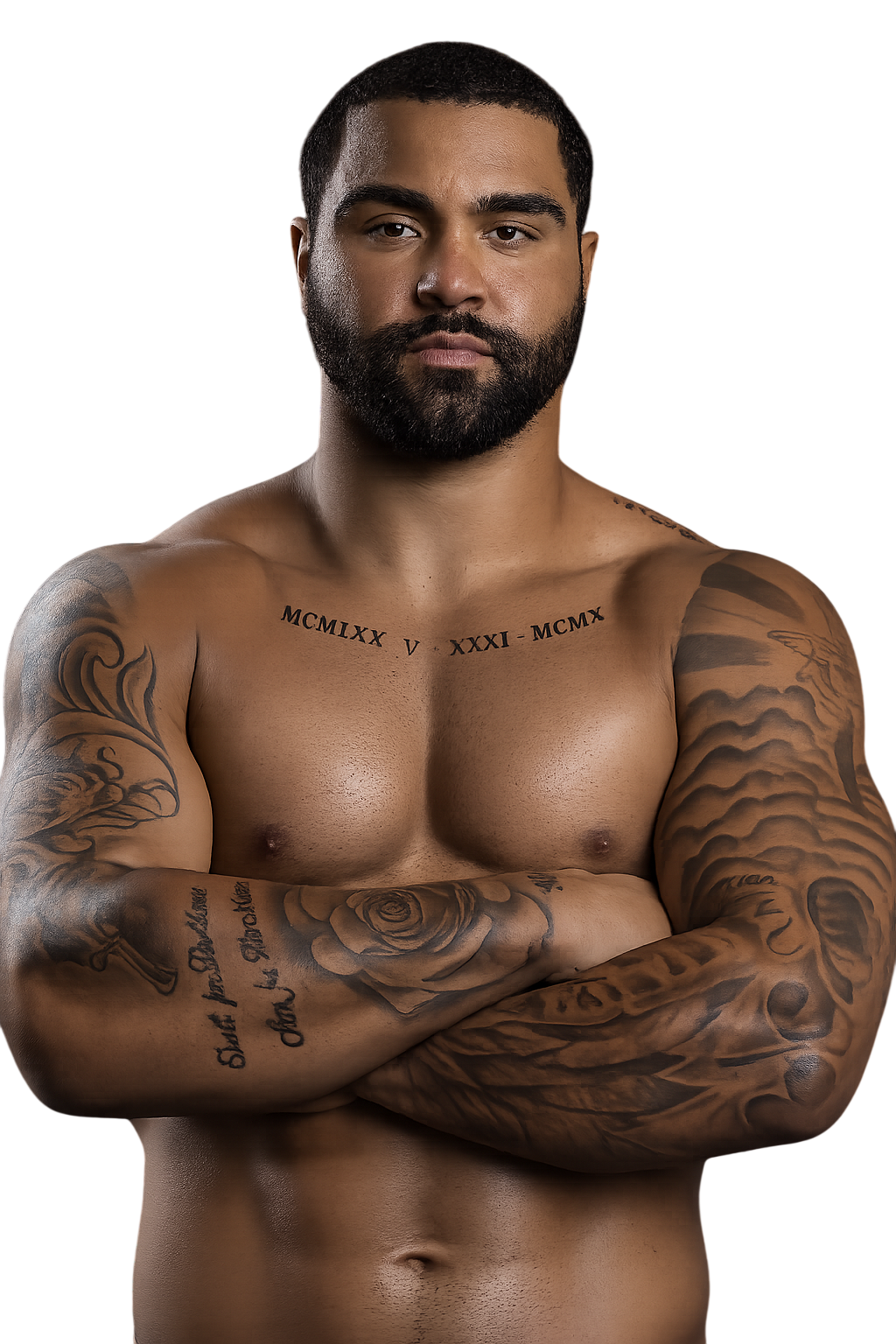

Russian MMA analyst discusses disagreement with another pundit's top 10 greatest UFC fighters list, which excluded Khabib Nurmagomedov and Conor McGregor. The analyst argues that greatness should include not only titles and opposition quality, but also impact on the sport's popularization, peak performance, fight dominance, commercial success, and records. He proposes adding these criteria would elevate both fighters into the top 10, with his revised list placing Khabib at number 3 and McGregor at number 4, behind only Jon Jones and Georges St-Pierre. The post sparked discussion about how to objectively measure fighter greatness and whether popularity metrics should factor into legacy rankings.
A debate over how to properly define UFC greatness has reignited online, after a Russian MMA analyst pushed back against a colleague's top-10 all-time fighter rankings that left out both Khabib Nurmagomedov and Conor McGregor.
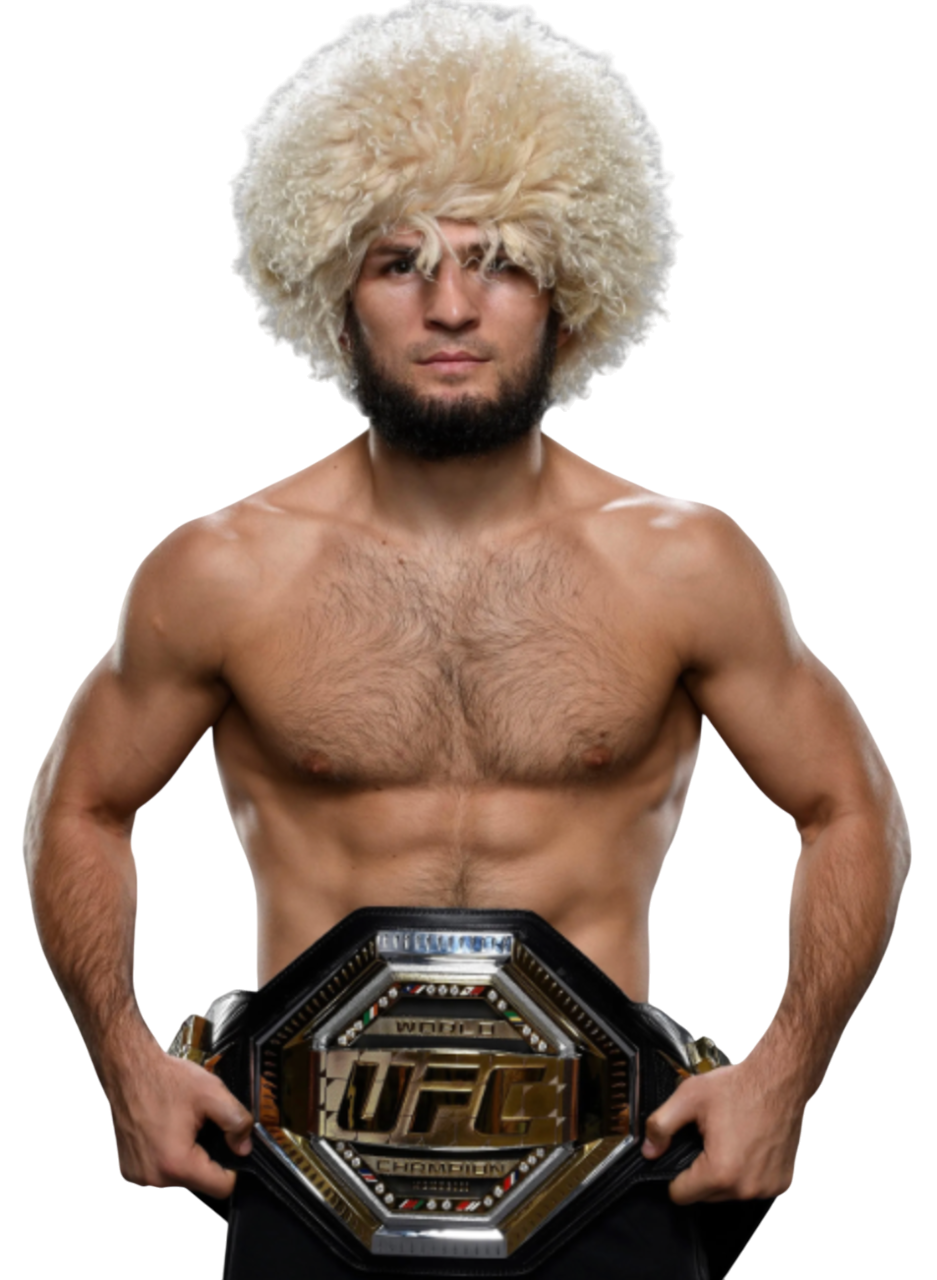
The analyst argued that a truly comprehensive framework for measuring legacy must go beyond title reigns and quality of opposition. In his view, criteria such as peak performance, fight dominance, commercial success, record-setting achievements, and a fighter's broader impact on the sport's global popularity all deserve weight. Applying that expanded standard, he proposed a revised list that places Khabib third and McGregor fourth, trailing only Jon Jones and Georges St-Pierre.

Khabib Nurmagomedov, 37, retired from the lightweight division with a flawless 29-0 record — one of the most pristine in combat sports history. The Russian fighter averaged 5.32 takedowns per 15 minutes throughout his career, a figure that underscores the suffocating grappling dominance that defined his run atop the division.

Jon Jones, 38, carries a 28-1 record and stands as one of the most physically gifted athletes the sport has produced. At six-foot-four with an 84-inch reach, he combined elite wrestling — nearly two takedowns per 15 minutes — with a striking accuracy rate of 58 percent, making him a nightmare across multiple phases of a fight.

Why it matters
- The debate raises a genuine methodological question: whether legacy rankings should incorporate cultural and commercial influence alongside purely athletic achievements.
- Excluding two of the sport's most recognizable names from any all-time top-10 invites scrutiny of how traditional metrics capture fighter impact.
- Khabib's undefeated record and McGregor's crossover mainstream appeal represent different dimensions of greatness that standard statistics alone may not fully reflect.
- The discussion signals a broader push within MMA media to formalize and standardize how the sport evaluates its own history.