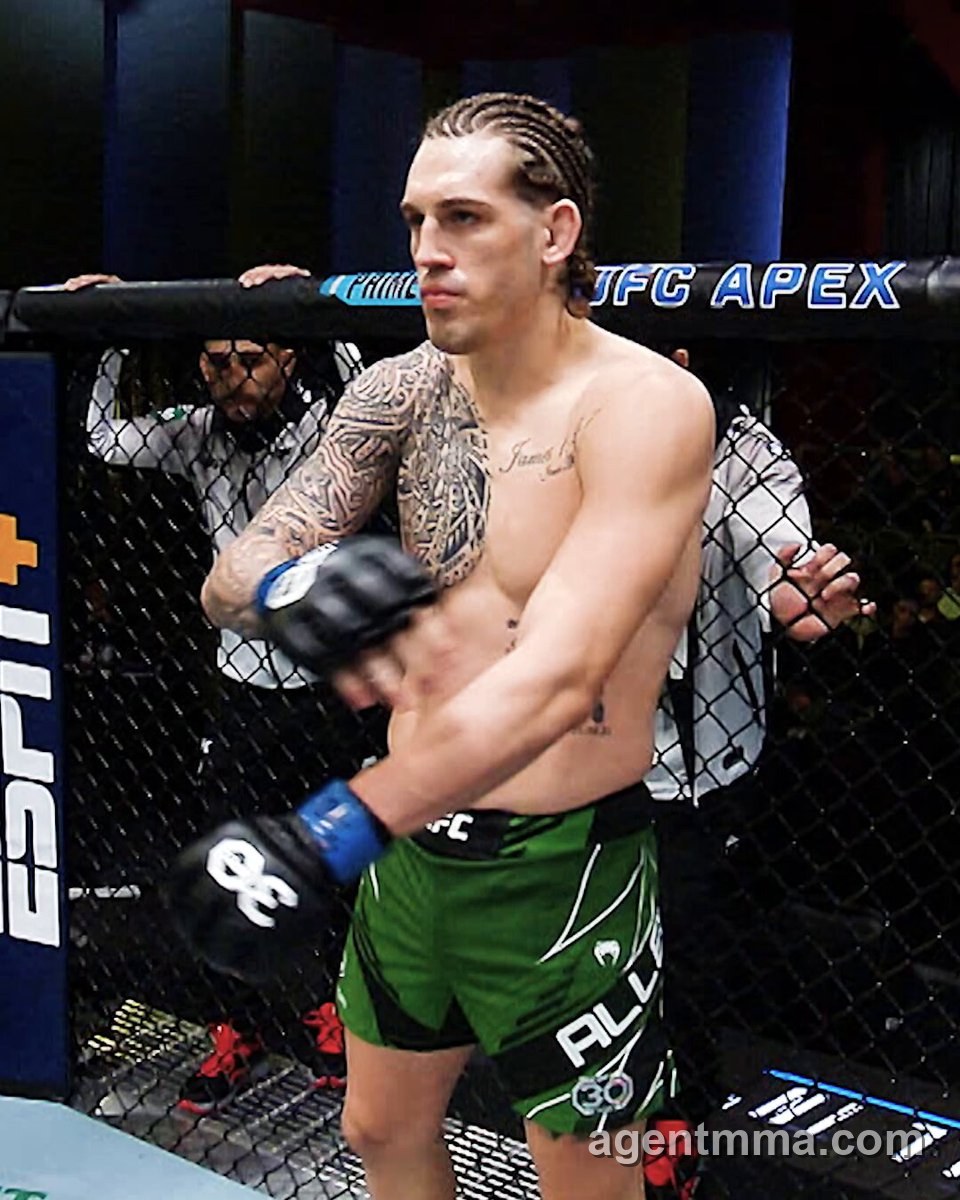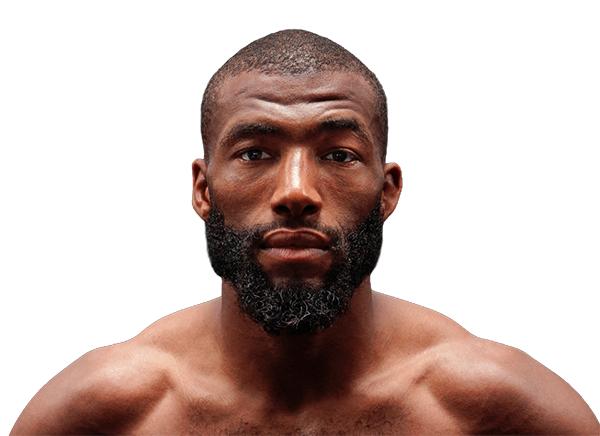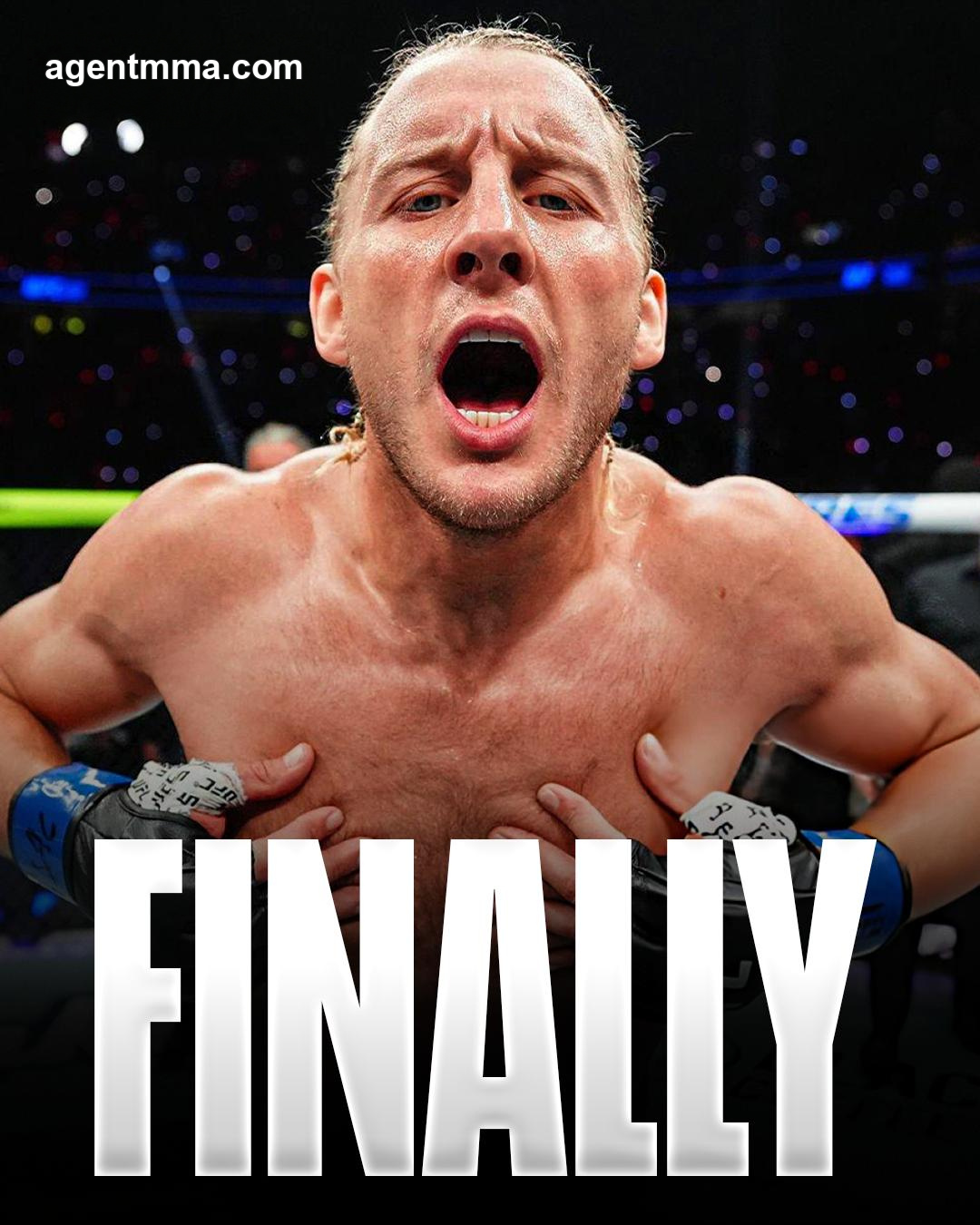
The UFC 328 press conference between Chimaev and Strickland provided strong emotion and energy but failed to develop the conflict substantively. Chimaev's approach centered on Strickland's childhood trauma, similar to Du Plessis's previous strategy, while Strickland focused on Kadyrov, Chechnya, dictatorship, and accused Chimaev of cowardice for traveling with an entourage. Neither fighter effectively responded to the other's points or evolved their arguments during the exchange. Chimaev largely ignored Strickland's political criticisms, while Strickland appeared more emotionally invested in discussing issues like immigration. The presence of armed security in body armor added dramatic effect to the confrontation.
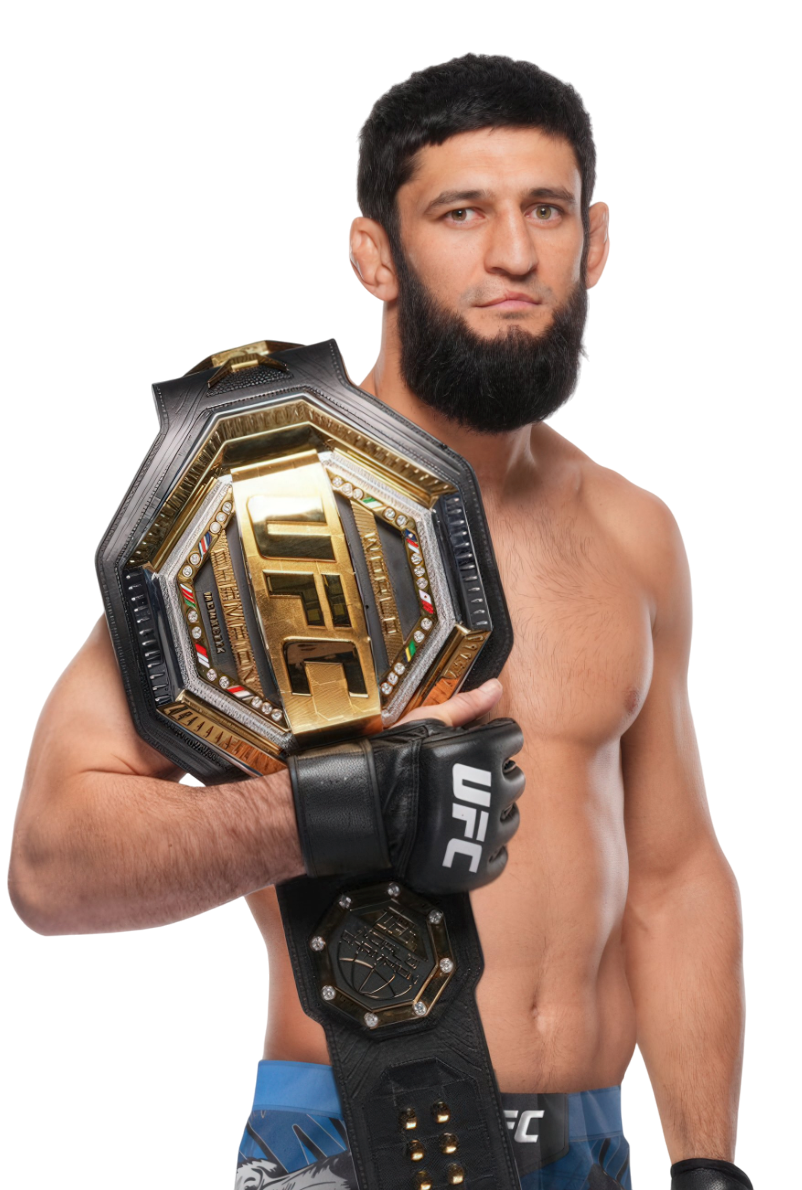
The UFC 328 pre-fight press conference took place Wednesday ahead of this weekend's middleweight title bout, delivering a heated but ultimately shallow confrontation between champion Sean Strickland and challenger Khamzat Chimaev.
Strickland, 35, enters UFC 328 as the reigning middleweight champion with a 31-7-0 record. Fighting out of Xtreme Couture in an orthodox stance, the American stands six-foot-one with a 76-inch reach and leads all active middleweights in significant strikes landed per minute at 6.04. He won the title in dramatic fashion and has since established himself as one of the division's most durable and volume-heavy strikers.
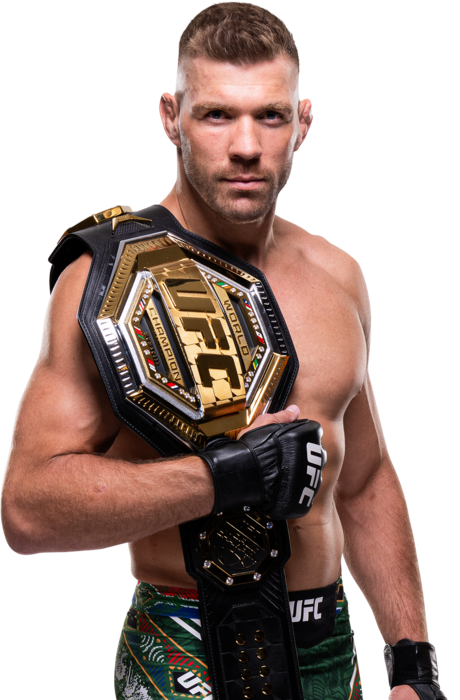
Dricus Du Plessis, ranked second at middleweight and seventh pound-for-pound at 32 years old, is not part of this card but cast a shadow over the press conference. His name surfaced because Chimaev appeared to borrow a page from Du Plessis's playbook by targeting Strickland's childhood trauma as a rhetorical weapon — the same approach the South African used during their own rivalry.
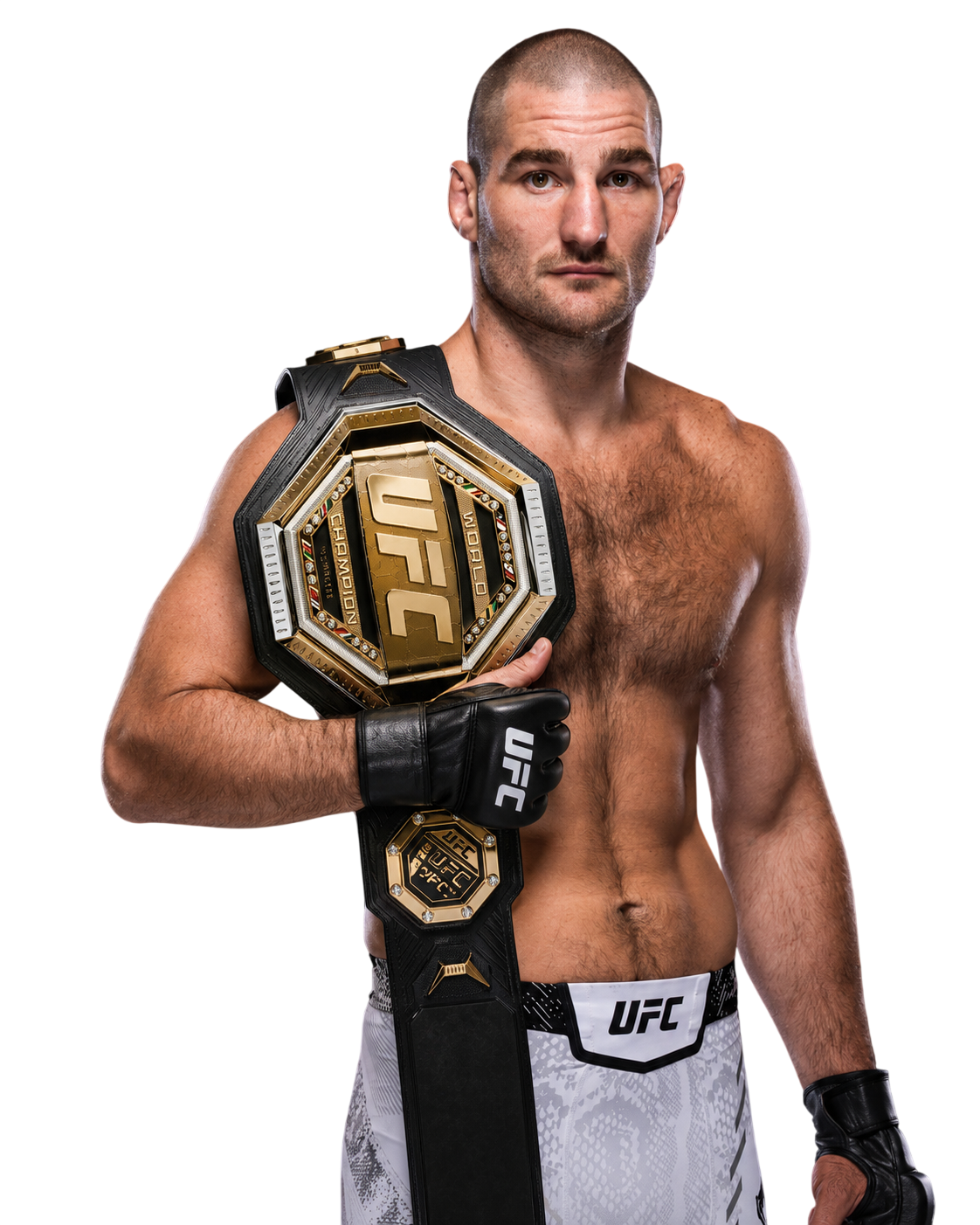
The confrontation itself produced more heat than light. Chimaev leaned into Strickland's personal history, while Strickland redirected the exchange toward Chimaev's ties to Chechen leader Ramzan Kadyrov, labeling him a coward for arriving surrounded by an entourage of armed security personnel in body armor. Neither man meaningfully engaged with the other's argument. Chimaev brushed past the political criticism, and Strickland, by the session's end, appeared more animated about broader topics like immigration than about the fight itself.
Why it matters
- The title is on the line Friday night, and the press conference offered little clarity on how either fighter views the matchup strategically
- Chimaev's use of Strickland's trauma as a pressure point mirrors Du Plessis's earlier approach, suggesting a deliberate psychological blueprint against the champion
- The visible security presence added an unusual and tense atmosphere rarely seen at UFC promotional events
- Strickland's political focus may reflect a genuine ideological investment, but it left Chimaev's fight-specific challenge largely unanswered
Saturday, May 9, 2026