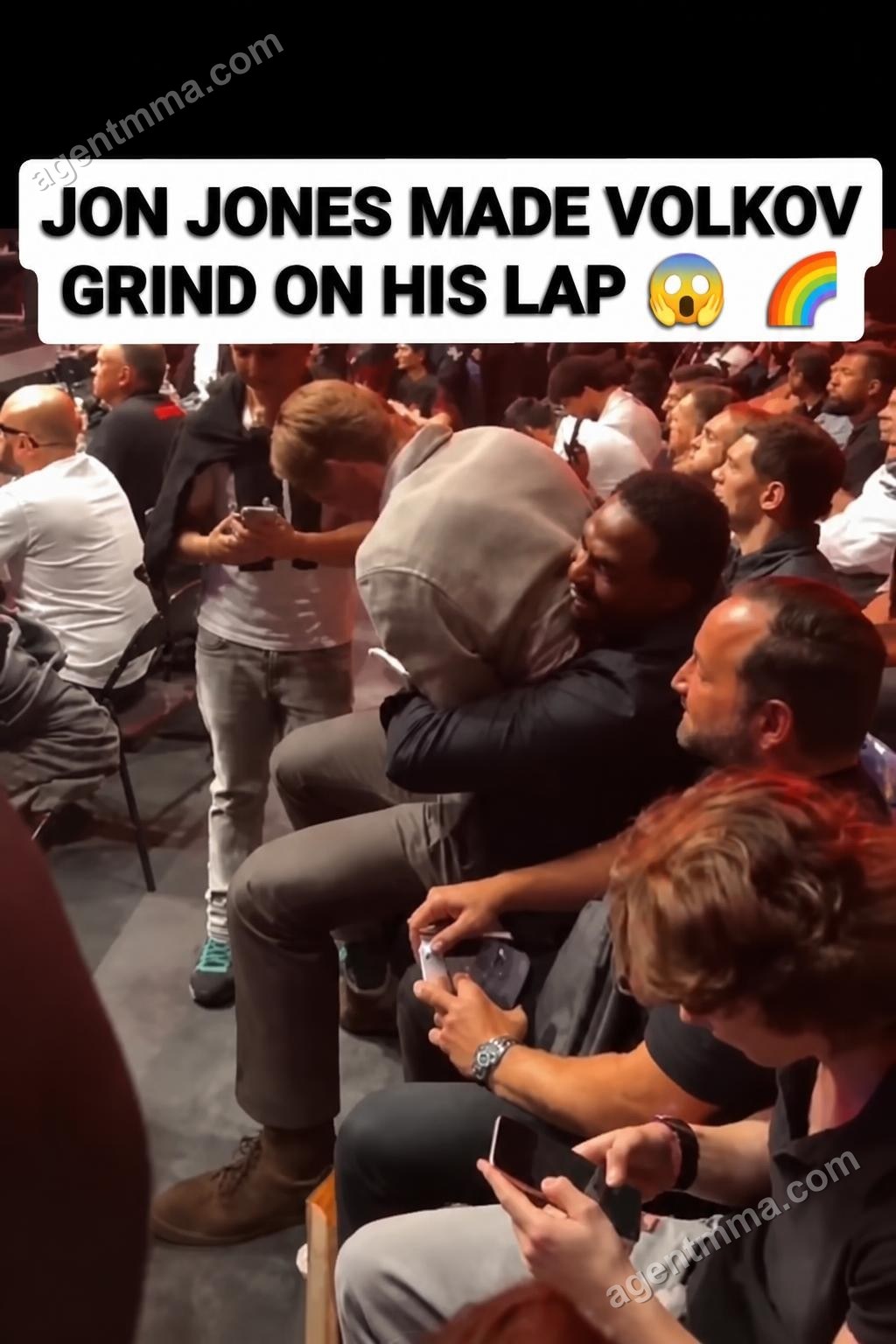

Luke Rockhold's question mark kick remains one of the most dangerous signature techniques MMA has ever seen. The former UFC and Strikeforce middleweight champion built a 16-6 career on elite Brazilian jiu-jitsu and a devastating southpaw striking game out of American Kickboxing Academy. Video: @backyardviolence on Instagram #UFC #MMA #LukeRockhold #Kickboxing #CombatSports
Luke Rockhold's question mark kick stands as one of the most visually striking and tactically deceptive weapons the sport has produced, a technique that helped define a middleweight career spanning nearly a decade at the highest level.
Rockhold, now 41, retired with a 16-6 record and two of the most prestigious titles the sport has offered — the UFC middleweight championship and the Strikeforce middleweight championship. The six-foot-three American, who carries a 77-inch reach, trained out of American Kickboxing Academy and fought from a southpaw stance, a combination that made his angles and timing uniquely difficult to read. His striking volume was notable, averaging 4.1 significant strikes landed per minute at 49 percent accuracy — numbers that reflect a measured, precise approach rather than a volume-heavy one.
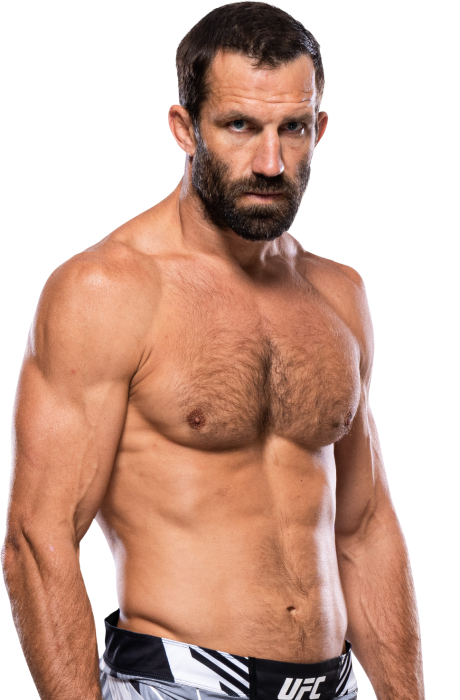
What set Rockhold apart, though, was the diversity of his attack. He paired his kickboxing with elite Brazilian jiu-jitsu, averaging one submission attempt per 15 minutes of cage time. Opponents could not simply circle away from the striking game; the grappling threat kept them honest, and that two-way danger is precisely what made the question mark kick so effective. The technique disguises a high kick as a low one, exploiting the split-second hesitation in an opponent who has to respect both the body and the head.
Why it matters
- The question mark kick demands elite leg dexterity and timing, and Rockhold's southpaw stance made the trajectory even harder to predict.
- His combination of BJJ and kickboxing gave the technique extra leverage — opponents could not simply shell up and move in without risking a takedown or submission.
- Rockhold's use of the technique helped broaden its visibility in MMA at a time when the sport's striking vocabulary was still expanding well beyond conventional boxing.