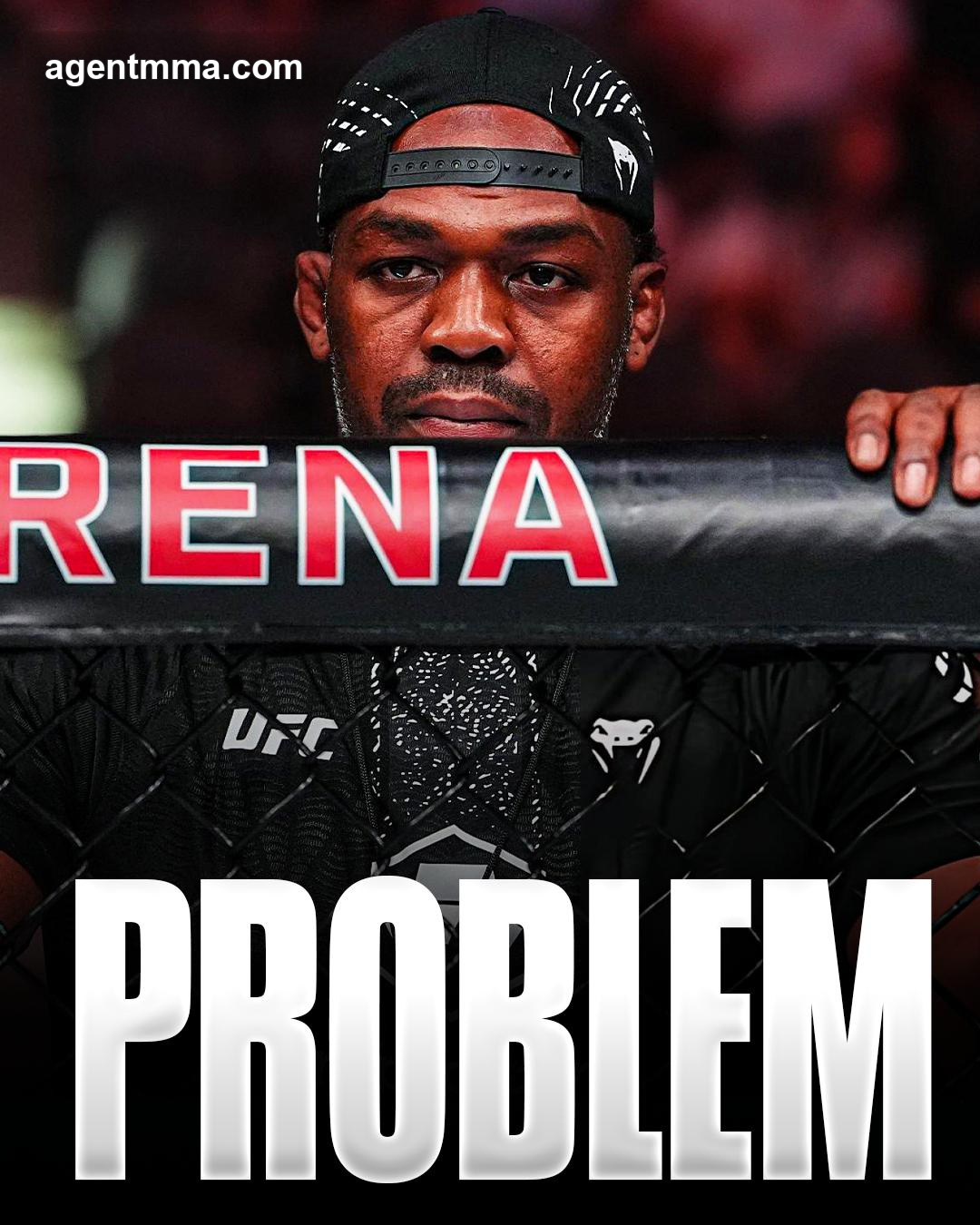

MMA commentator KALUGIN published a detailed response to another analyst's top 10 UFC fighters list, arguing that Khabib Nurmagomedov and Conor McGregor should be included. He suggested additional criteria beyond titles and defenses, including impact on popularizing MMA globally, peak performance dominance, commercial value, and records. KALUGIN's proposed top 10 places Jon Jones first, followed by Georges St-Pierre, Khabib, McGregor, Jose Aldo, Alex Pereira, Anderson Silva, Demetrious Johnson, Islam Makhachev, and Amanda Nunes. He emphasized that greatest fighters should be measured by their overall scale and influence on the sport, not just championship statistics.
MMA commentator KALUGIN has published a detailed rebuttal to a fellow analyst's all-time UFC top ten list, arguing the rankings require a broader set of criteria than titles and title defenses alone.

At the center of KALUGIN's argument is the inclusion of Khabib Nurmagomedov and Conor McGregor, two fighters he contends transformed the sport's global footprint. Khabib, 37, retired from competition with a perfect 29-0-0 record, landing 5.32 takedowns per fifteen minutes and averaging 4.1 significant strikes per minute across his career — numbers that reflect the suffocating, multi-dimensional pressure that defined his reign at lightweight.

Jon Jones, whom KALUGIN places first on his revised list, carries a 28-1-0 record at 38 years old. The six-foot-four heavyweight boasts a remarkable 84-inch reach and leads with 4.38 significant strikes per minute at 58 percent accuracy, figures that underline his sustained dominance across two divisions.

Why it matters
- KALUGIN proposes criteria beyond championships, adding global impact, peak dominance, commercial value, and records to the conversation
- His ten-fighter list spans five weight classes and includes Jon Jones, Georges St-Pierre, Khabib, McGregor, Jose Aldo, Alex Pereira, Anderson Silva, Demetrious Johnson, Islam Makhachev, and Amanda Nunes
- The framework directly challenges analysts who rely solely on title reigns and defenses as the measure of greatness
- Rankings debates of this kind reflect broader disagreements about how to quantify a fighter's legacy in a sport with no unified historical standard
KALUGIN's central thesis is that scale and influence on the sport must sit alongside championship statistics when evaluating where a fighter stands in history. The piece positions itself as a direct response to an unnamed analyst and invites a wider conversation about methodology in MMA legacy rankings.