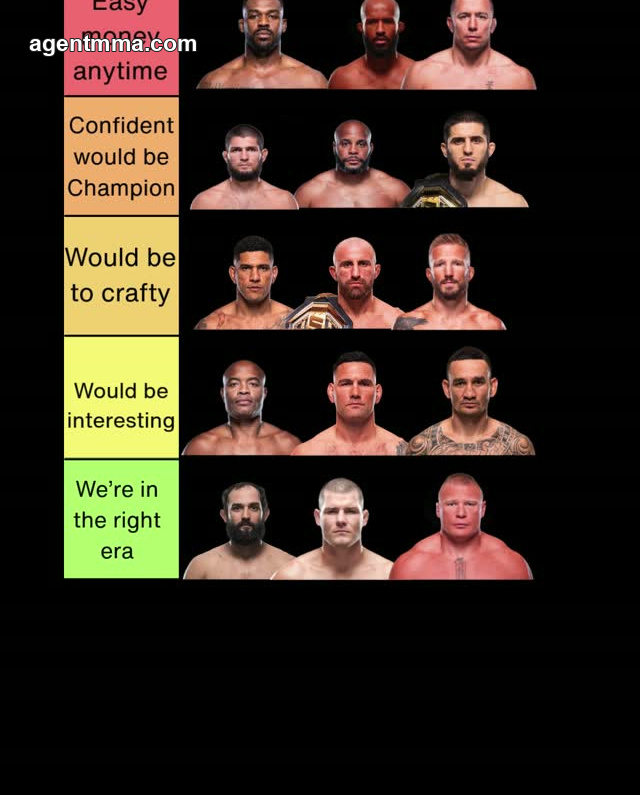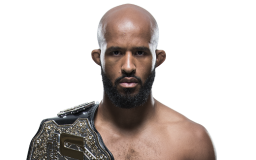

A debate has surfaced regarding Vlad Matveev's top-10 greatest UFC fighters list, which notably excluded both Khabib Nurmagomedov and Conor McGregor. The discussion centers on whether traditional criteria like title defenses and opponent quality should be the sole determinants of greatness, or whether additional factors deserve consideration. The poster argues that greatness should also encompass impact on sport popularization, peak performance levels, dominance in fights, commercial draw, and record-breaking achievements. The argument suggests that fighters like Khabib and Conor contributed massively to MMA's global expansion and inspired countless followers, particularly in regions where the sport had limited presence. An alternative top-10 is proposed that would include both fighters, with emphasis on their geographical expansion of the sport and unprecedented commercial success relative to their eras.
A debate has emerged in MMA circles over a top-10 greatest UFC fighters list compiled by analyst Vlad Matveev, with the discussion centering on the conspicuous absence of both Khabib Nurmagomedov and Conor McGregor from the rankings.
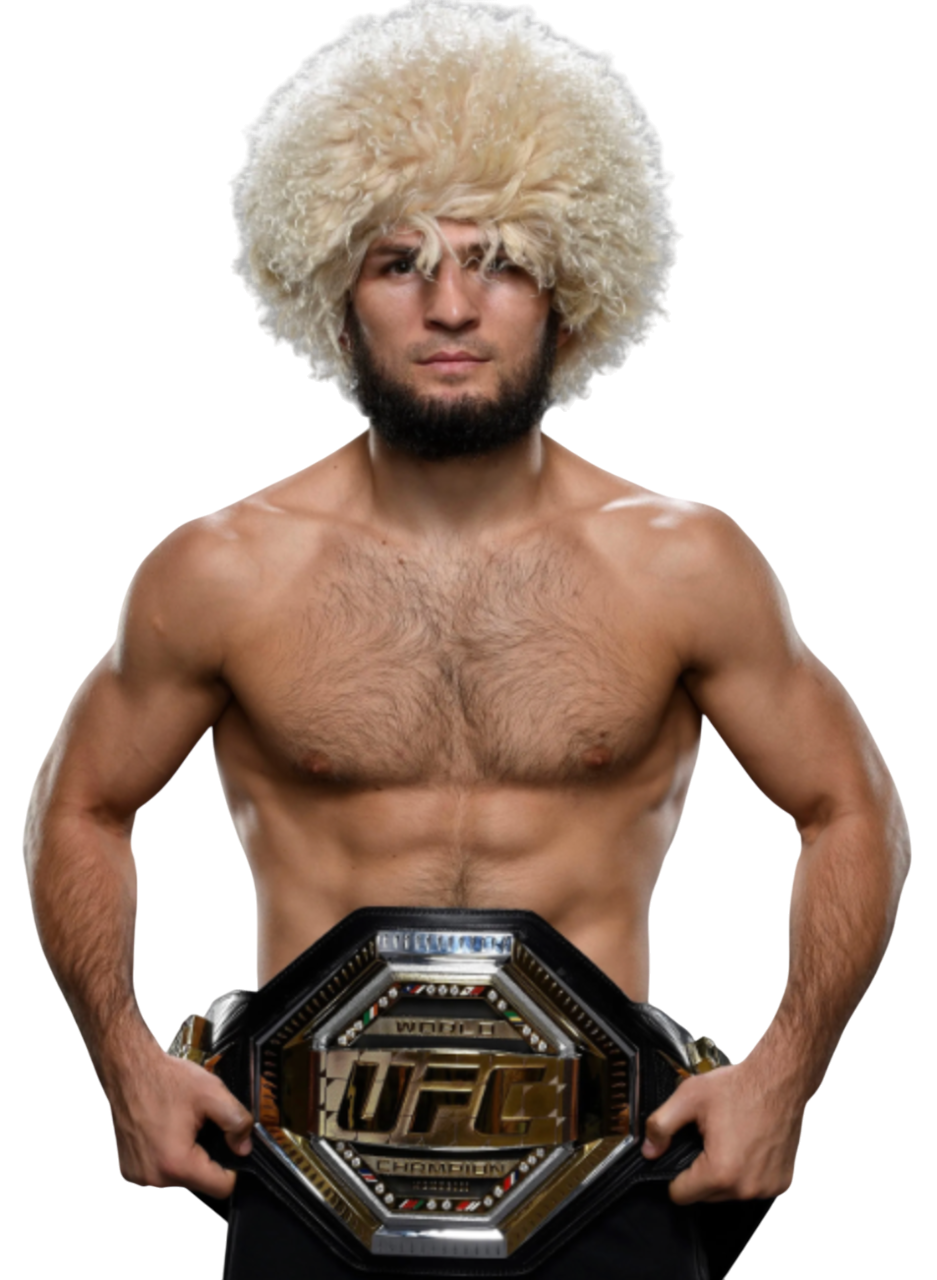
The core argument against the list challenges whether title defenses and opponent quality alone should define UFC greatness. The counterpoint proposes that factors such as peak dominance, commercial draw, record-breaking achievements, and the geographic expansion of the sport deserve equal weight when constructing any serious all-time ranking.
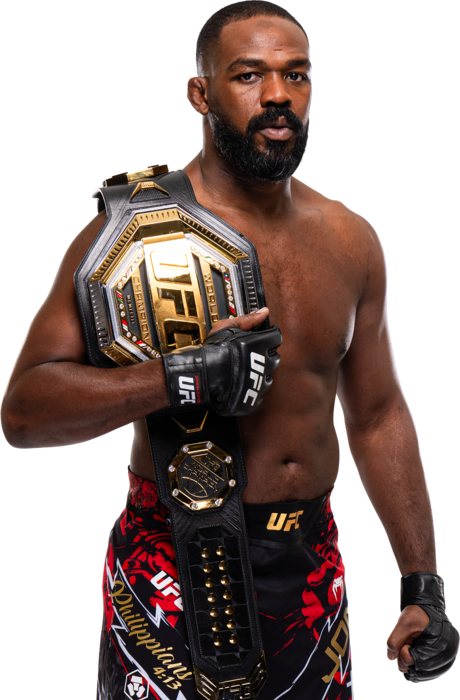
Khabib Nurmagomedov, the 37-year-old Russian lightweight legend, retired with a perfect 29-0 record and built a legacy that extended far beyond the octagon. Averaging 5.32 takedowns per 15 minutes, he was one of the most suffocating grapplers in UFC history and is widely credited with inspiring an entire generation of fighters across Russia and Central Asia, regions where MMA previously had minimal mainstream presence.

McGregor, though not included in the verified fighter data here, is cited alongside Khabib as a transformative commercial figure whose crossover appeal brought unprecedented global audiences to the sport.
Why it matters
- The debate touches on how greatness is defined: statistical dominance versus broader cultural and commercial impact
- Khabib's undefeated 29-0 record and elite grappling metrics make a statistical case difficult to dismiss
- The discussion reflects a wider conversation in combat sports about whether popularity and sport-building contributions belong in legacy rankings
- Fighters like Jon Jones, listed at 28-1 with a 58 percent striking accuracy and an 84-inch reach, and Anderson Silva, a 34-11 southpaw with 61 percent striking accuracy, represent the more traditional criteria-based view of all-time greatness